EN
EN  English
 عربى
عربى हिंदी
हिंदीFracking Valves: Types, Specs, and Maintenance for Reliable Frac
Feb 11, 2026
Content
- 1 What “good” looks like for fracking valves on location
- 2 Fracking valve types and where each belongs in the frac system
- 3 Pressure ratings, standards, and materials that actually matter
- 4 How to size and select fracking valves for real operating conditions
- 5 Maintenance, inspection, and testing that prevents leaks and stuck valves
- 6 Troubleshooting fracking valve problems in the field
- 7 Practical conclusion: the simplest system for dependable fracking valves
For most frac spreads, the fastest way to improve reliability is to standardize on the right valve types and ratings, then enforce routine inspection and seal replacement. In practical terms: choose valves built for 10,000–15,000 psi service (or higher where required), match materials to the fluid system, verify documentation and pressure tests, and treat seats/seals as consumables.
Done correctly, fracking valves become predictable components instead of failure points—reducing leaks, unplanned shutdowns, and iron-change exposure.
What “good” looks like for fracking valves on location
Fracking valves see frequent cycles, high differential pressure, erosive slurry, chemical exposure, and rapid temperature swings. “Good” performance is not just holding pressure on a test stand—it’s maintaining sealing and operability after repeated stages.
Field-ready performance targets
- Pressure rating aligned to the spread: 10k / 15k psi is common; some operations specify 20k psi.
- Stable torque/actuation throughout the job (no “tightening up” after sand).
- Minimal external leakage at body joints and stems under vibration.
- Predictable seal life with planned changeouts rather than reactive repairs.
- Documented traceability (heat numbers, MTRs) and pressure test records.
The two most common failure modes
In practice, fracking valves most often fail by (1) erosion/cut seats from proppant-laden flow and (2) seal damage from chemical incompatibility or extrusion under pressure. Both are manageable with correct valve selection and a disciplined maintenance plan.
Fracking valve types and where each belongs in the frac system
“Fracking valves” is an umbrella term covering multiple valve designs used across pumps, manifolds, treating iron, and wellhead interfaces. Choosing the wrong design can cause rapid wear or unsafe operation.
| Location / Role | Typical Valve Type | Why It’s Used | Practical Selection Tip |
|---|---|---|---|
| Frac manifold isolation | Plug valve / gate valve (frac service) | Quick isolation, high pressure capability | Prefer designs with proven seat systems for sand; avoid over-torquing to “stop” leaks |
| Check protection (backflow) | Check valve | Prevents reverse flow to pumps / lines | Inspect for sand scoring; keep spare internals (disc/spring/seat) on hand |
| Flow control / pressure management | Choke valve / adjustable choke | Controls rate/pressure; handles high ΔP | Use erosion-resistant trims; plan frequent inspection during high sand concentration stages |
| Wellhead interface / tree isolation | Gate valve (wellhead/tree), sometimes plug | Primary high-pressure isolation at the well | Confirm compatibility with wellhead spec and pressure class; never “mix and match” undocumented equipment |
| Bleed / vent / test ports | Needle valve / small-bore valves | Controlled venting and pressure checks | Select metallurgy for chemicals; protect from debris and impact damage |
A fast rule for valve placement
Use dedicated isolation valves for on/off duties (minimize throttling through them) and reserve flow-control valves (chokes) for throttling. Throttling through the wrong valve accelerates erosion and can create unsafe, hard-to-control pressure behavior.
Pressure ratings, standards, and materials that actually matter
The most expensive mistakes with fracking valves come from rating and metallurgy mismatches—buying a valve that “fits” but can’t survive the service environment. Ratings should be verified end-to-end, including connections, seals, and any adapters.
Rating checkpoints you should verify before the job
- Pressure class and temperature range for the entire assembly (valve body, bonnet, seals, connections).
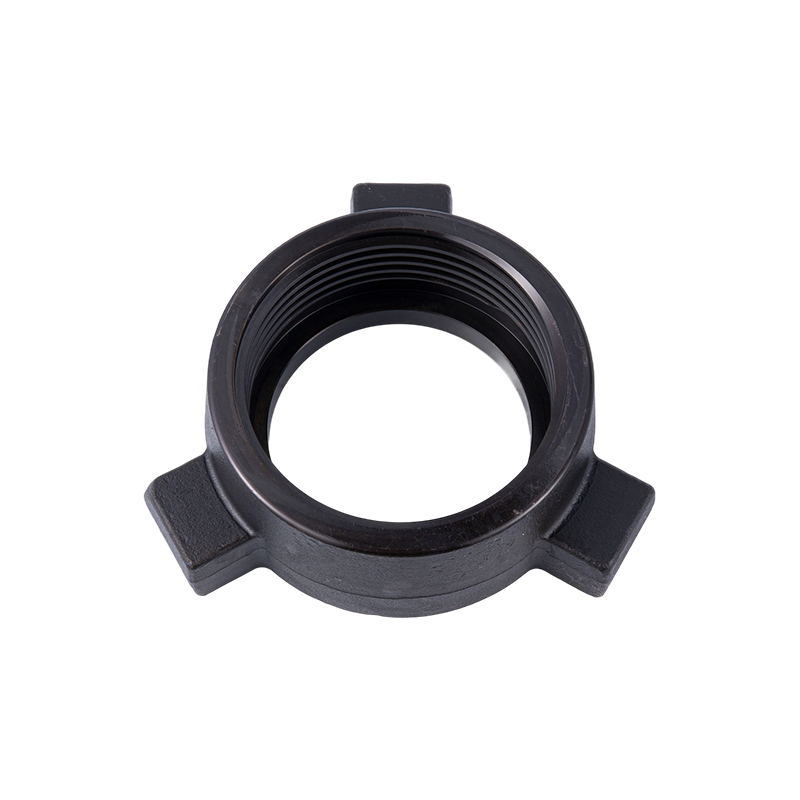
- Connection type and pressure integrity (treating iron unions, flanges, hammer unions, etc.).
- Documented pressure testing (hydrostatic or specified test method) at or above working pressure as required by your QA program.
- Material traceability (MTRs) for critical pressure-containing parts.
Materials and elastomers: match the fluid system
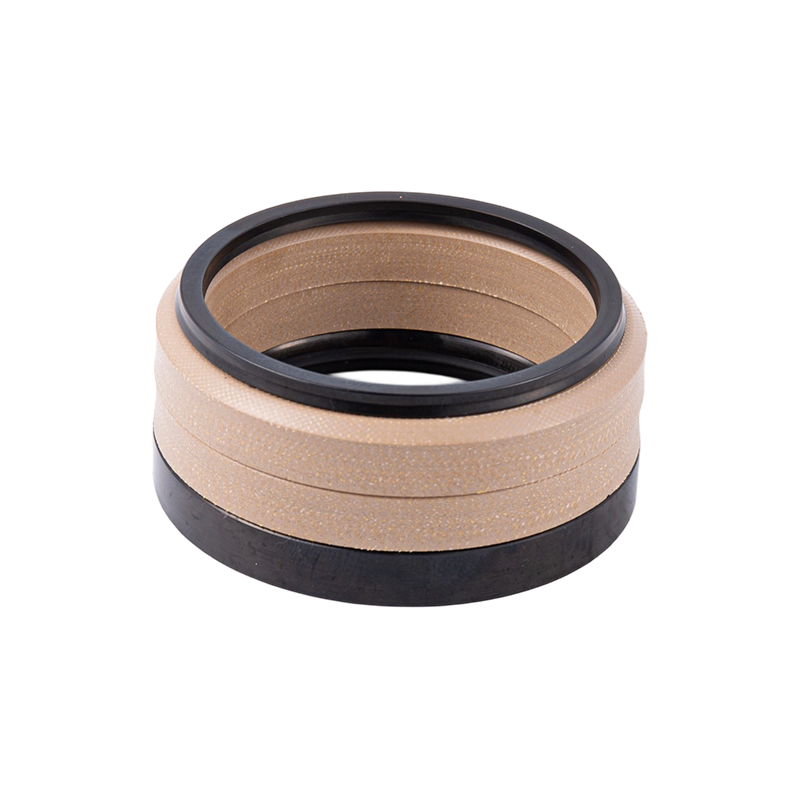
Frac fluids vary widely—slickwater, crosslink gels, acids, biocides, friction reducers, scale inhibitors, and produced-water reuse systems all stress seals differently. A practical approach is to standardize approved seal kits by chemistry and temperature, then enforce changeout intervals.
If you only adopt one rule, make it this: assume seats and seals will wear, and treat them as planned maintenance parts rather than “run-to-failure” items.
Erosion resistance: where upgrades pay back
Proppant-laden flow can cut flow paths quickly, especially at high velocities and high differential pressures. Upgrading trims and wetted components in throttling locations (chokes, turns, restrictions) often yields the highest ROI because that’s where sand concentrates its damage.
How to size and select fracking valves for real operating conditions
Correct sizing is about controlling velocity and turbulence, not just matching line size. Many frac spreads commonly use 2", 3", and 4" iron, but the best choice depends on rate, fluid, proppant concentration, and pressure drop.
Practical inputs you should collect before ordering or mobilizing
- Max treating pressure and expected pressure spikes (include transients during shutdowns and valve changes).
- Target rate range and stage duration (duty cycle drives wear).
- Proppant type and max concentration (erosion driver).
- Fluid chemistry and temperature window (seal compatibility driver).
- Connection standardization goals (minimize adapters and mixed unions).
Example: why “oversizing” can still fail
A larger bore can reduce velocity, but if the valve’s internal geometry creates sharp turns, cavities, or non-streamlined throttling, it may still erode quickly. The better approach is to choose the correct valve design for the duty (isolation vs throttling) and place erosion-resistant components where the pressure drop occurs.
Procurement checklist you can use on every valve
- Confirm working pressure rating and temperature range match the spread requirements.
- Verify connection compatibility (union type, size, pressure class) to avoid adapters and mixed standards.
- Review material certifications for pressure-containing parts (traceability and documentation).
- Identify seal kit part numbers and ensure spares are available for the full job duration.
- Require pressure test records and inspection criteria aligned to your QA/QC process.
Maintenance, inspection, and testing that prevents leaks and stuck valves
The fastest path to fewer frac delays is a repeatable maintenance rhythm. Treat fracking valves like high-wear assets: inspect early, refresh seals on schedule, and track cycles/conditions so you can predict replacements rather than respond to failures.
What to inspect between stages and between wells
- External leakage points: stem seals, body joints, bonnet/cover interfaces.
- Operability: unusual torque, delayed actuation, or incomplete travel.
- Evidence of erosion: washed surfaces, pitting near high-velocity paths, sand cut marks.
- Connection wear: union faces, threads, sealing surfaces, and hammer lugs.
Pressure testing: how to keep it meaningful
Pressure tests should validate sealing and structural integrity under controlled conditions. Keep your test method consistent, document the result, and treat a “pass” as a snapshot—erosion and seal wear continue during pumping.
Spare parts strategy that reduces downtime
On high-stage-count pads, downtime is often driven by waiting on the right seal kit or internals. Stock critical spares by valve family, and standardize where possible so crews aren’t troubleshooting a dozen similar-but-different models.
Troubleshooting fracking valve problems in the field
When a valve starts acting up mid-job, the priority is to protect people and containment first, then restore operability with the least intervention. Use a structured triage approach so crews don’t “muscle through” a problem and create a larger failure.
Symptom-to-cause quick map
| Symptom | Likely Cause | Safer Next Step |
|---|---|---|
| Valve won’t fully close | Sand intrusion, seat damage, misalignment | Isolate upstream/downstream if possible; inspect and replace seats/seals |
| External leak at stem/body | Seal wear, extrusion, chemical incompatibility | Depressurize per procedure; replace packing/O-rings with correct material |
| Torque spikes / sticking | Debris, galling, insufficient lubrication, erosion debris | Stop forcing actuation; clean/inspect internals and confirm lubrication spec |
| Check valve chatter | Flow instability, worn internals, improper sizing | Verify flow regime; inspect seat/disc; replace internals as needed |
What not to do when a valve leaks
- Don’t “crank harder” as a default—over-torquing can deform components and accelerate failure.
- Don’t mix unknown seal materials in chemical service—temporary fixes often fail at the worst moment.
- Don’t bypass documentation—undocumented replacements can create rating mismatches in the treating line.
Practical conclusion: the simplest system for dependable fracking valves
The most dependable approach is simple and repeatable: standardize valve families across the spread, match pressure ratings and materials to the job, and run a maintenance schedule that assumes wear. If you do that, fracking valves stop being surprises and become managed assets.
If you’re building your program from scratch, prioritize these actions first: confirm ratings (10k/15k/20k as needed), document traceability and tests, stock seal kits/internals, and enforce inspection between wells.