EN
EN  English
 عربى
عربى हिंदी
हिंदीFrac Pump Power: Hydraulic-to-Mechanical Energy for Fracturing
Dec 16, 2025
Content
- 1 How a fracturing pump converts energy into high-pressure fluid
- 2 Sizing the pump with practical, field-ready calculations
- 3 What actually “does the converting” inside a frac pump
- 4 Triplex vs. quintuplex selection for high-pressure fracturing fluid
- 5 Avoiding cavitation and suction-side losses that waste power
- 6 Maintenance planning using cycle-based thinking
- 7 Troubleshooting: when conversion efficiency is slipping
How a fracturing pump converts energy into high-pressure fluid
In a hydraulic fracturing spread, the pump train exists for one purpose: it converts hydraulic energy into mechanical energy to deliver high-pressure fracturing fluid at a controlled rate. Practically, that means turning input shaft power (from a diesel engine or electric motor) into reciprocating motion that pressurizes fluid in the pump’s fluid end.
Energy path through the pump package
- Prime mover provides rotational power (hp or kW) to a transmission or gear reducer.
- Power end converts rotation into reciprocation via crankshaft, connecting rods, and crossheads.
- Plungers drive fluid in the fluid end; check valves enforce one-way flow so pressure builds on the discharge stroke.
- Discharge iron, dampeners, and manifolds distribute the high-pressure fluid to the wellbore.
Because the fluid end is a positive-displacement system, flow is primarily set by displacement and speed, while pressure is primarily set by the downstream restriction (the well and perforations). Power demand is the product of the two.
Sizing the pump with practical, field-ready calculations
The most useful sizing workflow is: (1) establish required rate and pressure, (2) compute hydraulic power, and (3) back-calculate required shaft power using realistic efficiency and margin.
Core formulas used on frac jobs
| What you need | Formula | Notes |
|---|---|---|
| Hydraulic horsepower (US) | HHP = (Ppsi × Qgpm) / 1714 | 1714 is the US-unit constant |
| Hydraulic power (metric) | kW = (Pbar × QL/min) / 600 | Convenient for quick checks |
| Rate conversion | Qgpm = 42 × Qbbl/min | 1 bbl = 42 gal |
| Required shaft hp | Shaft hp ≈ HHP / (ηmech × ηvol) | Use realistic efficiencies, not nameplate ideals |
Worked example with real frac-scale numbers
Suppose the stage calls for 80 bbl/min at 10,000 psi. Convert rate: 80 bbl/min × 42 = 3,360 gpm. Then hydraulic horsepower is HHP = (10,000 × 3,360) / 1714 ≈ 19,600 HHP.
If combined mechanical and volumetric efficiency is 0.90 (for example, 0.95 × 0.95), estimated shaft power is 19,600 / 0.90 ≈ 21,800 hp. That value is the practical driver for how many pump units must be online and how hard each one can be loaded without overheating or accelerating wear.
What actually “does the converting” inside a frac pump
The conversion from input power to pressurized fluid happens across two assemblies with different failure modes and maintenance strategies: the power end (mechanics) and the fluid end (high-pressure hydraulics).
Power end: managing mechanical power and heat
- Crankshaft, bearings, and connecting rods translate rotation to linear stroke.
- Lubrication quality and temperature control are primary drivers of bearing life.
- Over-speeding increases inertial loads; over-torqueing increases contact stress—both can reduce run life even if pressure looks “normal.”
Fluid end: generating pressure, controlling leakage, and surviving erosion
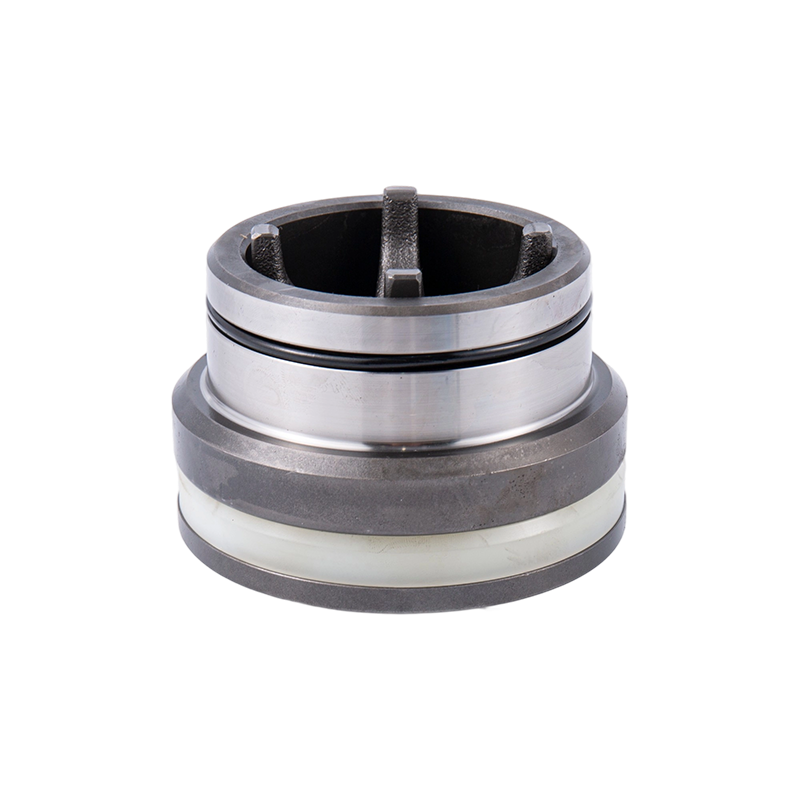
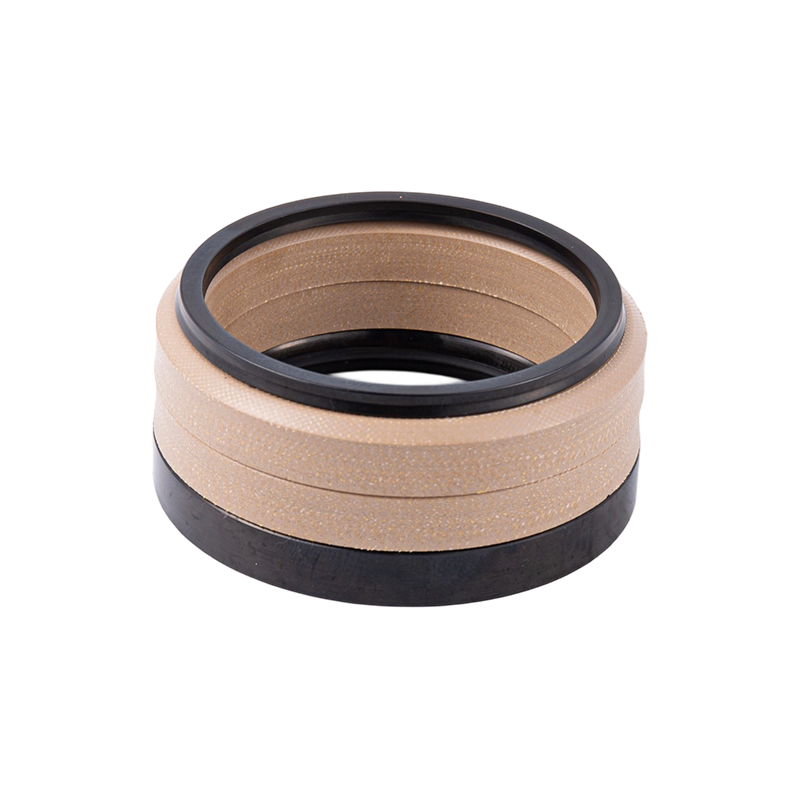
- Plungers and packing create the moving seal that allows pressure to rise on the discharge stroke.
- Suction and discharge valves must seat reliably at high cycle counts; poor seating causes heat, washouts, and pressure ripple.
- Proppant and solids primarily attack valves, seats, and internal flow turns; filtration and chemistry are operational controls, not afterthoughts.
Triplex vs. quintuplex selection for high-pressure fracturing fluid
Both triplex and quintuplex designs can deliver high-pressure fracturing fluid, but they trade off pulsation, component loading, footprint, and maintenance access. Selection should reflect the pressure-rate envelope and the site’s tolerance for downtime.
Practical differences that matter in the field
- Flow smoothness: more plungers generally reduce pulsation amplitude, which can reduce vibration in iron and improve instrumentation stability.
- Per-plunger loading: for the same total output, additional plungers can reduce load per plunger, potentially improving packing and valve life.
- Maintenance pattern: more fluid-end components can mean more frequent small interventions, even if each component is less stressed.
A constructive way to decide is to map the expected operating band (pressure vs. rate) and then ask: which configuration minimizes the number of hours spent above the load level where failures historically accelerate? Even a modest reduction in sustained peak loading can materially change total maintenance hours across a multi-well pad.
Avoiding cavitation and suction-side losses that waste power
If the suction side is starved, the pump cannot effectively convert mechanical energy into hydraulic energy—power is instead burned as vibration, heat, and component damage. In fracturing service, suction problems commonly present as unstable rate, noisy operation, accelerated packing wear, and erratic discharge pressure.
Operational controls that directly reduce cavitation risk
- Keep suction plumbing short and oversized; minimize sharp elbows immediately upstream of the pump.
- Maintain positive suction conditions using booster pumps and disciplined tank management, especially during rate changes.
- Control fluid quality: entrained gas and excessive solids increase compressibility and abrasion, worsening pressure ripple and valve distress.
- Ramp speed and pressure; step changes amplify transient suction losses and can trigger momentary cavitation even when steady-state looks acceptable.
Practical takeaway: if suction stability improves, the same pump often delivers the same pressure-rate target at lower vibration and lower maintenance frequency, effectively improving the “usable” conversion of mechanical input into high-pressure fluid output.
Maintenance planning using cycle-based thinking
Frac pumps are high-cycle machines; many “mystery failures” become predictable when expressed in strokes, not hours. Converting runtime to cycles also helps compare jobs with different speeds and duty profiles.
Example: translating speed into mechanical and valve cycles
At 250 rpm, a reciprocating pump completes about 250 strokes per minute per plunger. That equals 15,000 strokes/hour and 360,000 strokes/day. If duty cycles run multiple days, consumables like packing and valves can see millions of events quickly—especially when abrasive proppant or pressure swings are present.
High-impact inspection targets
- Packing leakage trend: increasing leak-off is often an early indicator of plunger scoring or packing degradation.
- Valve seating condition: recurrent pressure ripple or heat can indicate a valve not sealing cleanly.
- Power-end oil temperature and debris: rising temperatures or metallic fines indicate frictional loss and potential bearing distress.
Troubleshooting: when conversion efficiency is slipping
When the pump package is no longer efficiently converting mechanical input into high-pressure fracturing fluid output, the symptoms usually show up as one of three patterns: (a) higher power for the same pressure-rate, (b) unstable pressure at steady speed, or (c) component temperatures rising without an obvious operational change.
Fast diagnostic map from symptoms to likely causes
- Power rises, output unchanged: increasing mechanical friction (lubrication issue), packing overtightening, or misalignment in the drivetrain.
- Pressure oscillates at steady speed: valve leakage, suction starvation, gas entrainment, or dampener performance degradation.
- Rate drops at the same speed: volumetric efficiency loss from valve damage, excessive slip, or internal leakage paths in the fluid end.
Field rule: if pressure and rate targets require noticeably more horsepower than earlier in the job at comparable conditions, treat it as a conversion-efficiency problem and inspect suction stability, valves, and packing before loading the unit harder.