EN
EN  English
 عربى
عربى हिंदी
हिंदीQuintuple Fluid Systems: Plungers, Valves, Seats, Retainers, Blocks
Dec 26, 2025
Content
- 1 Why these components dominate reliability in quintuple fluid systems
- 2 Plungers: surface, alignment, and the real causes of packing failure
- 3 Valves and valve seats: controlling flow, impact, and seal integrity
- 4 Retainers: keeping valve geometry stable under repeated impact
- 5 Fluid end block: cracks, erosion, and seat-pocket integrity
- 6 Failure mapping: symptoms to root causes across plungers, valves, seats, retainers, and the fluid end block
- 7 Maintenance routines that prevent repeat failures
- 8 Component selection tips for harsh duty: abrasives, corrosion, and high pressure
Why these components dominate reliability in quintuple fluid systems
In quintuple fluid systems, five pumping chambers multiply duty cycles and pressure pulsations across the wet-end. That means small degradations in plungers, valves, valve seats, retainers, or the fluid end block can scale quickly into lost volumetric efficiency, leakage, and unplanned shutdowns.
The most practical way to manage reliability is to treat these parts as a coupled stack: the plunger controls sealing and alignment, the valve/seat set controls check performance, retainers control geometry under impact, and the fluid end block controls structural integrity. A single weak link commonly shows up first as a measurable change in flow stability or temperature rise at the packing/valve region.
A quick rule-of-thumb for field triage
- If discharge pressure oscillation increases and flow smoothness worsens, suspect valves/valve seats first.
- If packing temperature rises or leakage rate increases at the stuffing box, suspect plunger surface condition or alignment.
- If fastener loosening or recurring seat movement is observed, suspect retainers or fluid end block seat pockets.
Plungers: surface, alignment, and the real causes of packing failure
Plungers operate as the moving sealing surface. In high-pressure quintuple fluid systems, packing life is rarely “just packing.” It is usually a function of plunger finish, hardness/coating, runout, and how well the plunger remains coaxial with the stuffing box under load.
What to specify (and what to measure)
- Surface finish: aim for a smooth, consistent finish (commonly in the Ra 0.1–0.4 µm range for many packing systems) to reduce abrasive wear and heat generation.
- Runout and straightness: verify indicator runout at multiple axial positions; a small misalignment repeated across five ends can become a major leakage burden.
- Coating selection: hard coatings (for example, tungsten carbide systems) can provide high hardness and abrasion resistance; ceramics can improve chemical resistance. Match the choice to slurry abrasiveness and fluid chemistry.
Practical failure patterns and actions
If packing leakage rises steadily and packing adjustment frequency increases, inspect the plunger for circumferential scoring, localized dulling, and heat tint. A common threshold used in many plants is to treat a sudden step-change (not gradual seepage) as a trigger for shutdown inspection because it often indicates a surface defect or debris event rather than normal wear.
- Clean and inspect the plunger under bright light; mark any axial scratches that can “pump” fluid past packing lips.
- Confirm lubricant/flush flow (where used). Overheating is often a flow-control issue, not only a materials issue.
- Check crosshead/extension alignment and bearing condition; persistent packing failures often correlate with misalignment rather than packing brand.
Valves and valve seats: controlling flow, impact, and seal integrity
In quintuple fluid systems, valves cycle continuously and absorb repeated impact. The valve and valve seats determine how quickly the chamber refills and how effectively backflow is blocked. Minor seat damage can cause measurable volumetric efficiency loss long before an obvious failure occurs.
Common damage modes that look “fine” until they don’t
- Micro-pitting on valve seats: often triggered by entrained solids or cavitation-like conditions on the suction side.
- Uneven seat wear: commonly linked to misalignment, retainer distortion, or debris trapped at closure.
- Valve face erosion: shows up as a widening contact band and reduced sealing effectiveness, increasing recirculation and heat.
Data-driven indicators you can trend
Even without specialized instrumentation, you can make valves/valve seats measurable:
- Flow vs. RPM at constant pressure: a sustained drop (for example, 3–8%) with stable power input often points to check-valve leakage or delayed seating.
- Discharge pressure ripple: increasing pulsation amplitude is commonly consistent with one or more valves not sealing cleanly.
- Temperature mapping: localized hot spots near a single end can indicate repeated internal recirculation through a leaking valve seat.
Retainers: keeping valve geometry stable under repeated impact
Retainers are frequently treated as “hardware,” but in quintuple fluid systems they directly control how valves land, how seats are constrained, and whether parts can rotate, cock, or fret. A retainer that relaxes or deforms can turn a good valve/seat set into a chronic leakage problem.
What to inspect on every shutdown
- Contact and fretting marks: polishing, red/brown fretting debris, or “shiny crescents” indicate micro-movement under load.
- Flatness and distortion: even subtle distortion can bias the valve, narrowing the effective flow area and accelerating seat wear.
- Fastener condition and thread integrity: recurring loosening often points to joint embedding, improper surface prep, or fluid end block face damage.
A practical retention strategy
Use a consistent assembly method: clean, dry, and inspect interfaces; follow OEM torque or tension procedures; and replace retainers that show plastic deformation. In many field cases, a retainer replacement can restore valve seating stability faster than repeatedly swapping valves alone, because it corrects the geometry that drives uneven contact.
Fluid end block: cracks, erosion, and seat-pocket integrity
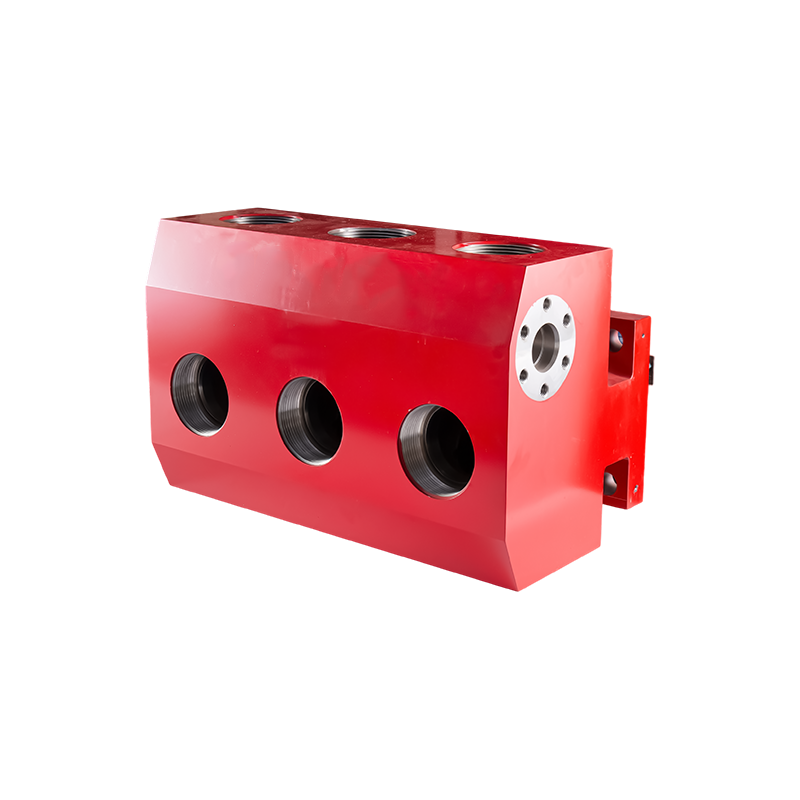
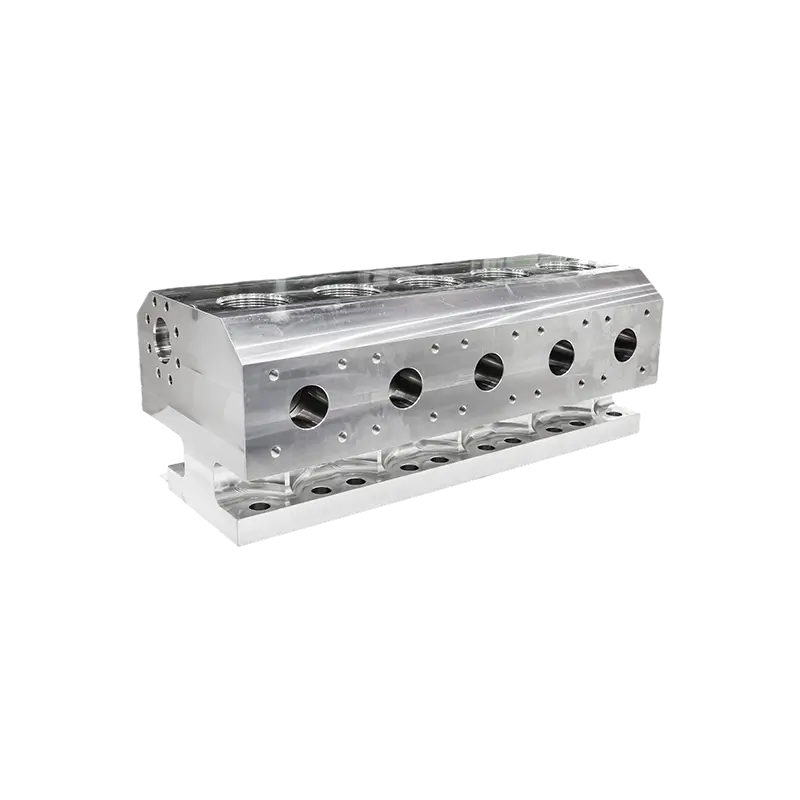
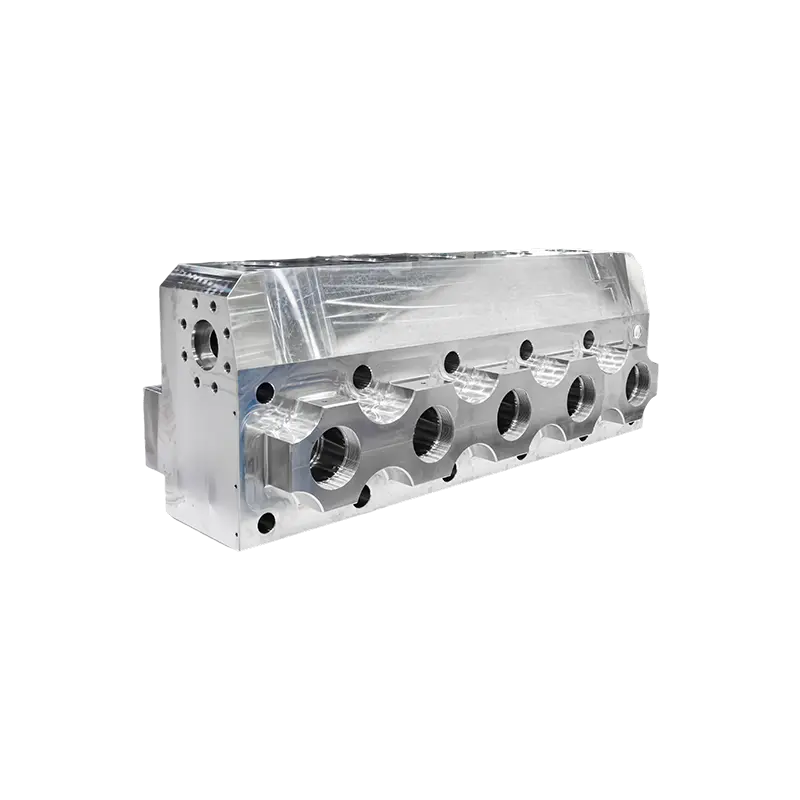
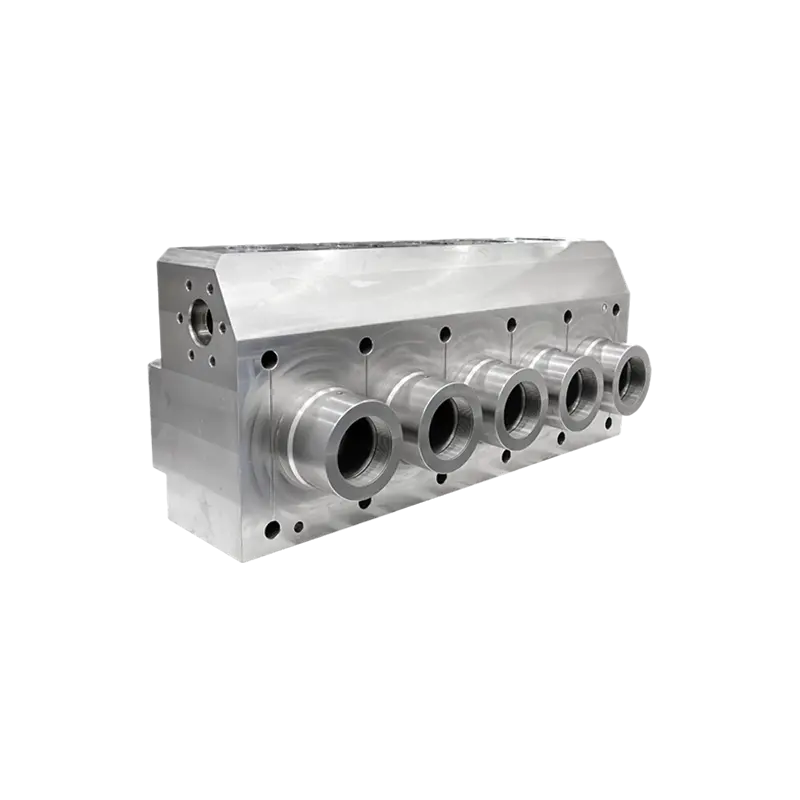
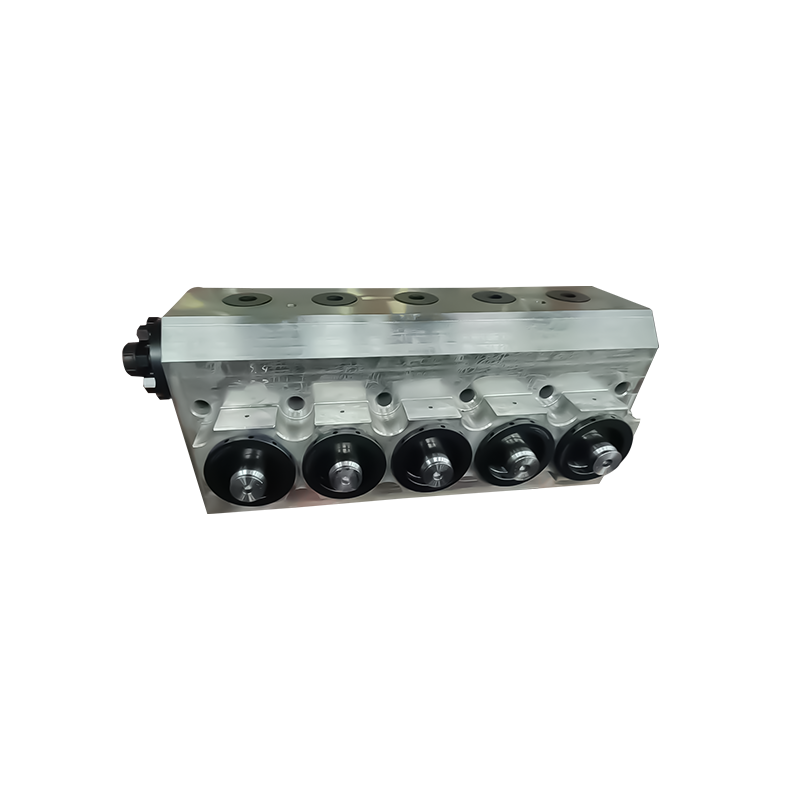
The fluid end block is the pressure-containing backbone of quintuple fluid systems. It supports the valve decks, seat pockets, and the high-pressure passages that see cyclic loading. While valves and plungers are consumables, the fluid end block is a capital component—so inspection discipline matters.
Where damage concentrates
- Seat pockets: wear, ovality, or galling can prevent valve seats from sitting square, producing recurring leakage and impact damage.
- Port transitions and high-velocity turns: erosion is common where slurry-laden fluids change direction abruptly.
- Threaded regions and bolt holes: stress concentration plus cyclic loads can initiate cracking, especially if fasteners were previously over-torqued or run loose.
Inspection methods that deliver high value
Combine rapid visual checks with targeted nondestructive testing (NDT) based on duty severity. For high-pressure service (commonly 10,000 psi and above in many industrial applications), periodic NDT focusing on seat-pocket transitions and high-stress corners can detect early crack initiation before it becomes a leak path.
- Dye penetrant on accessible surfaces to reveal surface-breaking cracks.
- Magnetic particle testing (for ferromagnetic blocks) at known stress concentrators.
- Dimensional checks of seat pockets to confirm seats are not rocking or fretting.
Failure mapping: symptoms to root causes across plungers, valves, seats, retainers, and the fluid end block
| Observed symptom | Most likely component | What to look for | Corrective action |
|---|---|---|---|
| Increasing discharge pulsation / unstable flow | Valves / valve seats | Uneven contact band, pitting, debris imprint | Replace or recondition matched valve/seat sets; improve suction filtration |
| Packing temperature rise and step-change in leakage | Plungers | Scoring, heat tint, dull patches, runout | Polish/replace plunger; correct alignment; confirm flush/lube |
| Repeated seat movement or uneven valve wear by end | Retainers | Fretting, distortion, fastener loosening patterns | Replace retainer; restore joint faces; follow OEM tightening method |
| Persistent leakage after replacing valves and packing | Fluid end block | Seat pocket wear/ovality, cracks at transitions | Dimensional verification; NDT; repair/replace block as required |
The practical takeaway is to avoid “single-part swapping.” If valve seats show uneven contact, inspect retainers and seat pockets; if plungers show repeating scratches, fix filtration and flush pathways; if multiple ends show the same rapid wear, evaluate system-level suction conditions and pulsation control.
Maintenance routines that prevent repeat failures
Quintuple fluid systems reward consistency. A disciplined routine reduces surprise failures more effectively than occasional “major overhauls.” The goal is to detect early wear patterns and correct root causes before damage propagates into the fluid end block or causes cascading valve failures.
| Component | Online checks | Shutdown checks | Trigger to intervene |
|---|---|---|---|
| Plungers | Packing leakage trend; temperature touchpoints | Surface inspection; runout check | Step-change in leakage or recurring hot spots |
| Valves / valve seats | Flow at constant RPM; pulsation changes | Contact band, pitting, debris imprint | 3–8% sustained performance loss |
| Retainers | Fastener witness marks; vibration anomalies | Flatness, fretting, joint face condition | Any evidence of micro-movement |
| Fluid end block | Unexplained leaks; recurring seat instability | Seat pocket measurement; targeted NDT | Repeat failures after replacing consumables |
Standardization that pays back quickly
- Keep matched sets: valves and valve seats should be tracked as sets by end to preserve consistent seating behavior.
- Record “as-found” conditions: photos and short notes on contact bands, fretting, and scoring build a trend history faster than relying on memory.
- Control cleanliness: many valve-seat issues originate from debris; filtration and disciplined assembly often outperform material upgrades alone.
Component selection tips for harsh duty: abrasives, corrosion, and high pressure
Selection choices should follow the fluid and duty profile. In abrasive service, prioritize wear resistance on plungers and valve seats. In corrosive service, prioritize chemistry compatibility and avoid galvanic traps. In high-pressure duty, prioritize structural integrity and stable retention—retainers and the fluid end block interfaces become especially important.
Practical selection checklist
- If solids are present, use harder plunger surfaces and tighter contamination control; consider materials/coatings designed for abrasion.
- If suction conditions are marginal, focus on valve dynamics: lighter valve assemblies and improved suction piping often reduce impact damage.
- If seat pockets show wear, do not “upgrade” only the valve; address retainer rigidity and fluid end block pocket condition to restore geometry.
The most durable configuration is the one that balances wear surfaces (plungers, valve faces, valve seats) with stable constraint (retainers and fluid end block interfaces). Material upgrades without geometry control often increase costs without extending service life.