EN
EN  English
 عربى
عربى हिंदी
हिंदीBest Practices for Fluid End Assembly and Disassembly: Essential Tips
Nov 20, 2025
Content
Introduction to Fluid End Assembly and Disassembly
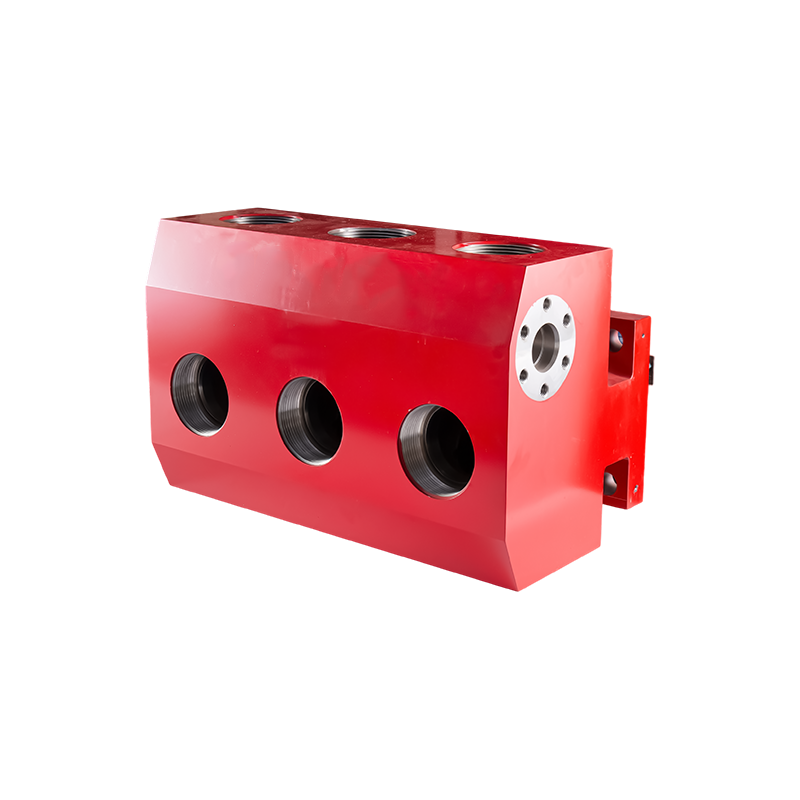
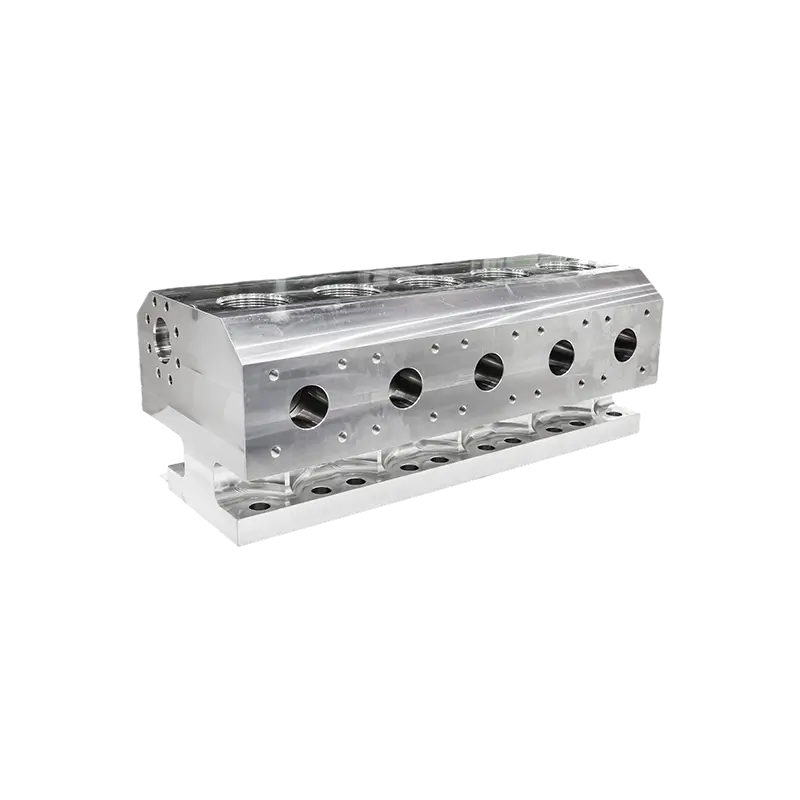
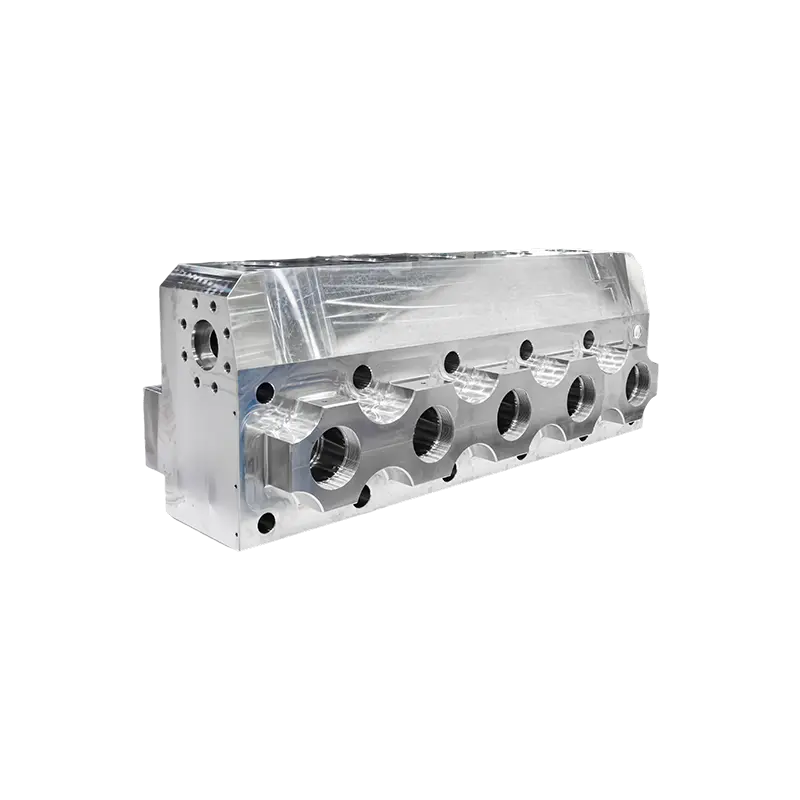
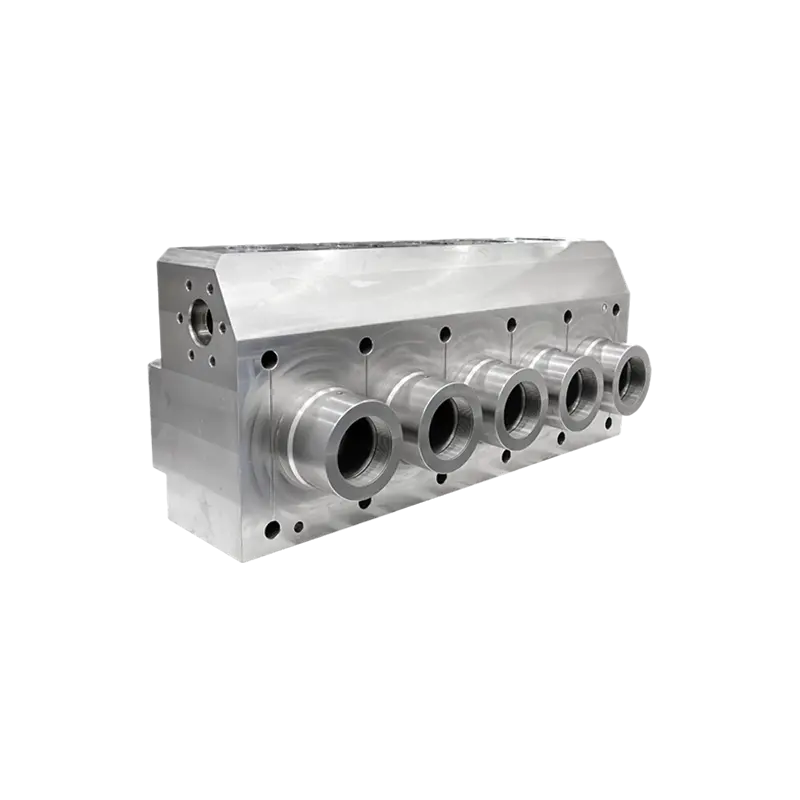
Fluid end components are critical to the overall performance and longevity of pump systems used in industries like oil and gas, mining, and water treatment. Proper assembly and disassembly of these components are essential to maintaining efficiency, preventing damage, and extending the life of the pump. In this article, we will explore the best practices to ensure smooth, safe, and effective fluid end assembly and disassembly processes.
Preparing for Fluid End Assembly
Before beginning the assembly of fluid end components, it's crucial to prepare adequately. This preparation ensures that all components are in optimal condition and that the assembly process will proceed smoothly.
Inspection of Components
The first step in preparation is a thorough inspection of the components involved in the fluid end. Look for signs of wear, corrosion, or damage that may compromise the functionality of the assembly. Components such as valves, pistons, and plungers should be checked for cracks, rough surfaces, or deformities.
Cleaning the Parts
Ensure all parts are cleaned properly before assembly. Use an appropriate cleaning solution and remove any dirt, grease, or debris. This step helps prevent foreign particles from damaging the pump during operation.
Assembly Best Practices
The assembly process should be performed with precision to avoid any errors that could lead to operational failure. Here are some essential best practices to follow.
Use the Right Tools
Always use the manufacturer's recommended tools and equipment. The use of improper tools can lead to inaccurate assembly, causing misalignment and damage to components.
Torque Specifications
Ensure that all fasteners are torqued to the specified values. Over-tightening or under-tightening can lead to leakage or component failure. Use a calibrated torque wrench to ensure accuracy.
Lubrication and Seals
Lubricate the moving parts according to the manufacturer's guidelines. Apply lubricant to pistons, plungers, and other friction points to ensure smooth operation. Similarly, use high-quality seals to prevent leakage and maintain pressure integrity.
Alignment and Fit
Ensure that all components are properly aligned and fit together without excessive force. Misalignment can result in uneven wear, inefficiency, and potential damage to the fluid end assembly.
Disassembly Best Practices
When it comes time to disassemble the fluid end components for maintenance or replacement, proper procedures are equally important to avoid damage and ensure safe handling.
Shut Down and Isolate the System
Before starting disassembly, ensure that the pump is fully shut down and that all pressure is released. Isolate the system to prevent accidental operation during the disassembly process.
Marking and Documentation
Mark and document the position of each component before removal. This is especially useful for components that require reinstallation in the same position, such as valves and seals, to maintain proper functionality.
Handling and Storing Components
Carefully remove each part and place it in a safe location. Avoid dropping or mishandling components, as this can cause damage. Store disassembled parts in a clean, dry area to prevent corrosion and contamination.
Cleaning During Disassembly
While disassembling the fluid end, clean each part as it is removed. This ensures that any dirt or debris that may have accumulated during operation is promptly removed. Use the same cleaning methods as during assembly.
Preventing Common Errors
Mistakes during assembly or disassembly can result in costly repairs, downtime, and safety hazards. Here are a few common errors to avoid:
- Failure to use the correct torque values, leading to under-tightening or over-tightening.
- Using incorrect tools, which can cause damage to sensitive parts like threads and seals.
- Skipping lubrication or using improper lubricants that can lead to excessive wear and tear.
- Not inspecting parts before assembly or ignoring signs of wear and damage.
- Improper cleaning or failure to remove dirt and debris, which can result in clogging or damage to components.
Conclusion
Proper fluid end assembly and disassembly are crucial for the performance and longevity of pump systems. By following these best practices, you can ensure that the fluid end components are assembled and disassembled correctly, reducing the risk of damage and enhancing system reliability. Regular maintenance and attention to detail are key to keeping your fluid end components in top condition.