EN
EN  English
 عربى
عربى हिंदी
हिंदीApplications of Fluid Ends in Oil & Gas Industr
Nov 20, 2025
Content
Introduction to Fluid Ends in Oil & Gas Operations
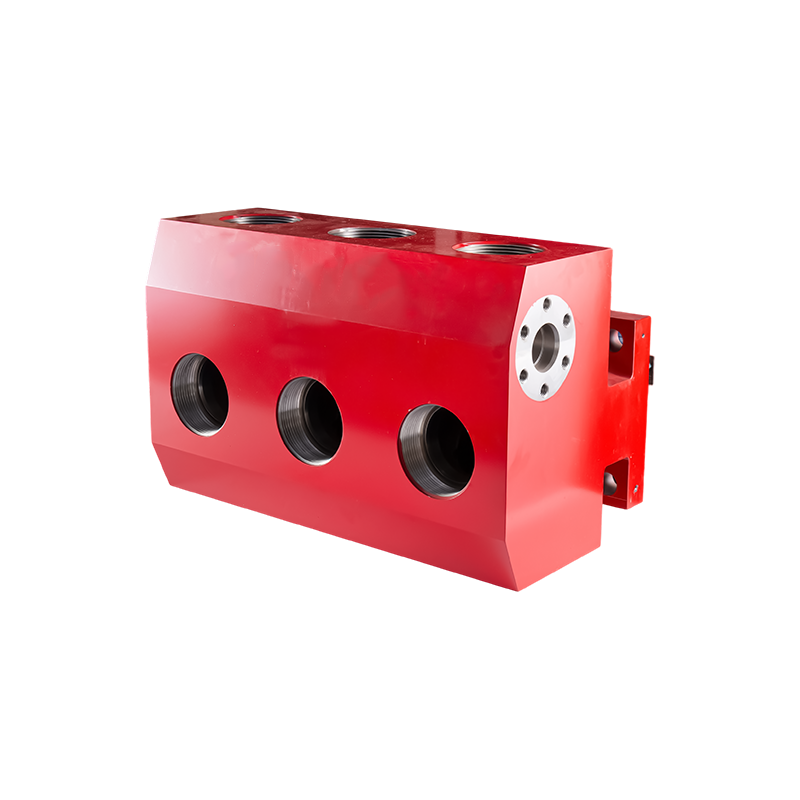
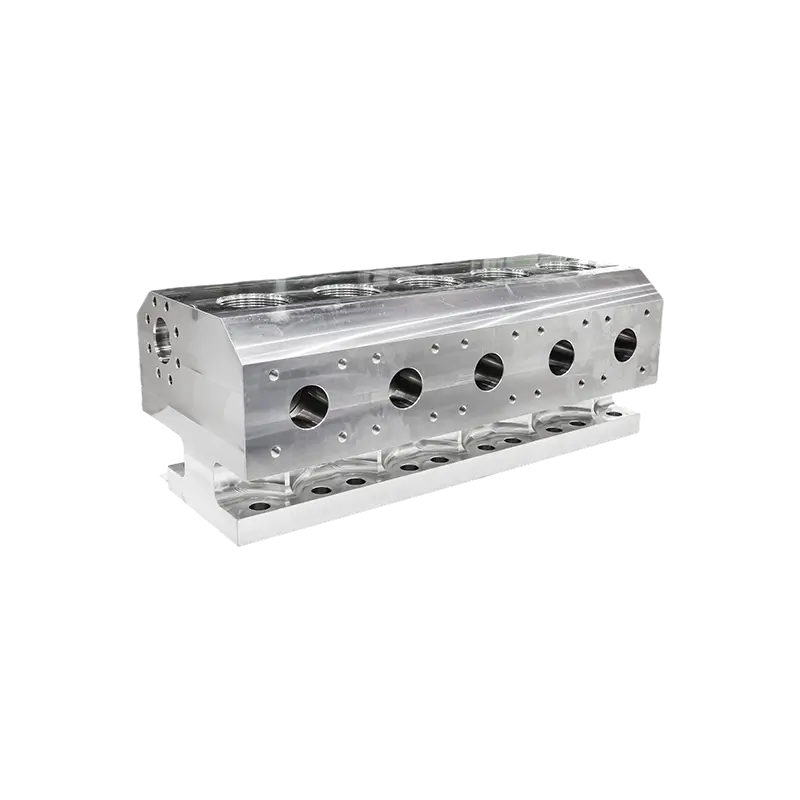
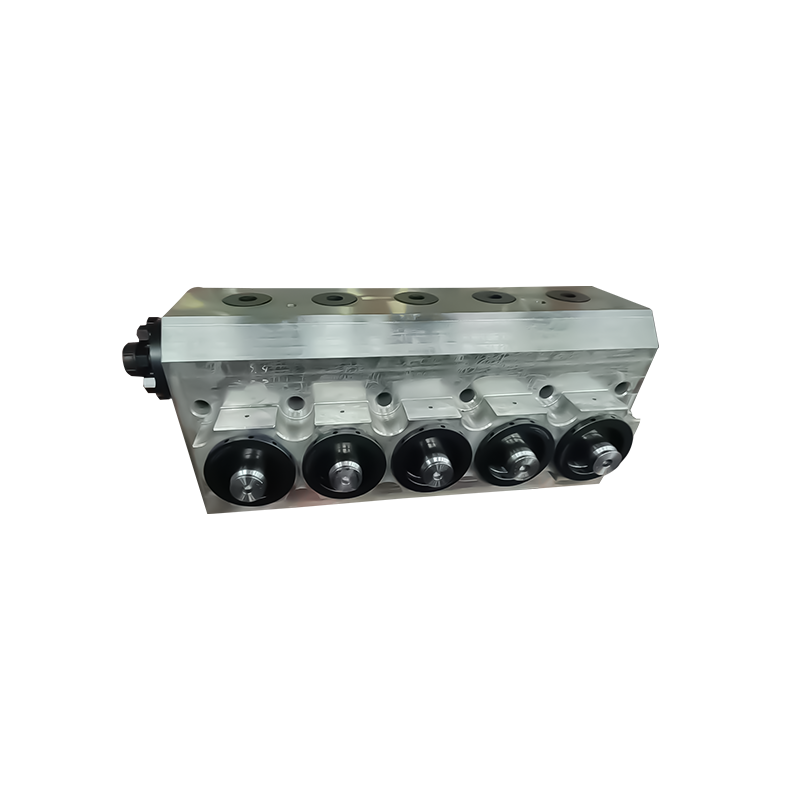
Fluid ends are integral components in oil and gas operations, particularly in pump systems used for drilling and fluid handling. These components are designed to endure extreme pressure, temperature fluctuations, and abrasive conditions commonly found in deep-well drilling and hydraulic fracturing processes. The performance and longevity of fluid ends can significantly impact the efficiency and cost-effectiveness of drilling operations.
Role of Fluid Ends in Drilling Operations
Fluid ends are responsible for managing the high-pressure fluid that is pumped into the wellbore during drilling operations. Their primary role is to ensure that the pump system delivers the required pressure to reach the desired depth while minimizing downtime due to component failure. Fluid ends are subjected to continuous wear and tear, making their durability and reliability essential for optimal performance.
Applications in Rotary Drilling
In rotary drilling, fluid ends manage the circulation of drilling fluid (mud), which cools the drill bit, stabilizes the wellbore, and carries cuttings to the surface. Fluid ends must withstand high-pressure pumps, which provide the necessary flow rate to keep the drilling process moving smoothly. The design of fluid ends in this context ensures that high-pressure fluid can be continuously pumped without leakage or malfunction.
Applications in Hydraulic Fracturing
During hydraulic fracturing (fracking), fluid ends play a crucial role in maintaining the necessary pressure to fracture rock formations and enhance the flow of oil and gas. Fluid ends must withstand even higher pressures compared to rotary drilling due to the intense nature of the process. The materials and design of fluid ends in these applications ensure that they can handle the high-stress environment, preventing failure and optimizing the efficiency of the fracking operation.
Design Considerations for Fluid Ends
The design of fluid ends must prioritize durability, resistance to corrosion, and ability to handle extreme pressures. Key considerations include:
- Material selection: Fluid ends are typically made from high-grade alloys such as chrome or stainless steel to resist corrosion and wear.
- Pressure rating: Fluid ends must be designed to handle varying pressures, often exceeding 15,000 psi in hydraulic fracturing operations.
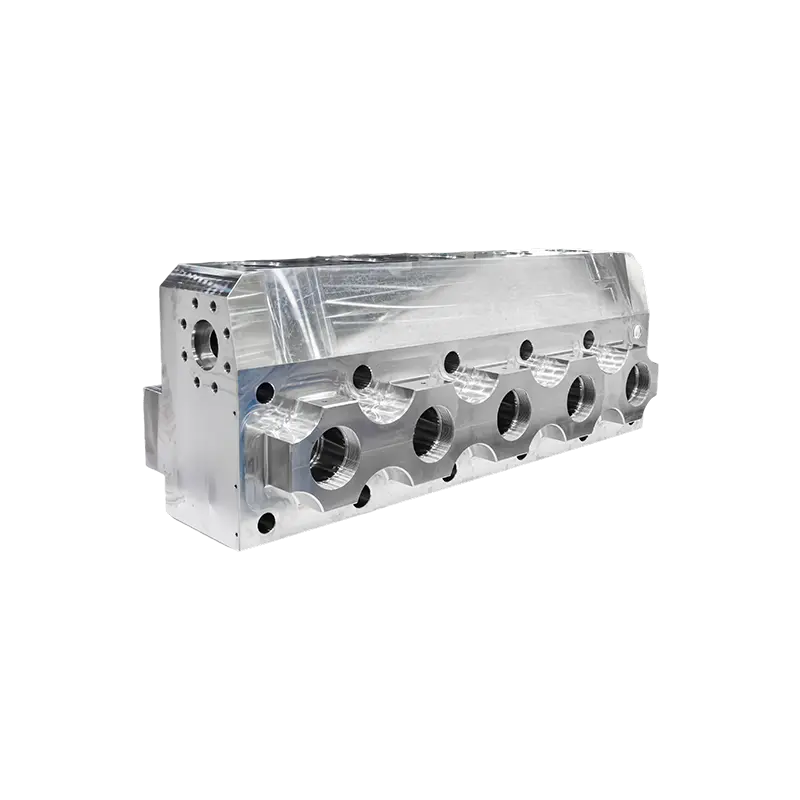
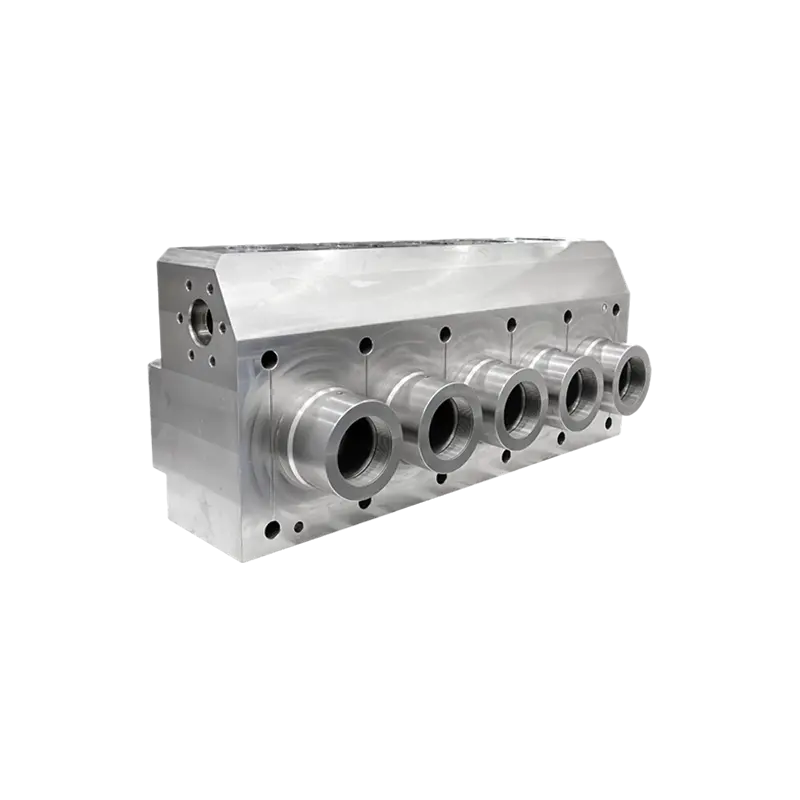
- Component geometry: The shape and fit of the components ensure that they can withstand repetitive motion and stress without failure.
- Maintenance ease: Fluid ends are designed for easy maintenance, with modular components that can be replaced or repaired to extend their service life.
Maintenance and Replacement of Fluid Ends
Routine maintenance is essential to ensure the longevity and performance of fluid ends. Key maintenance practices include:
- Regular inspection for wear and tear, including checking for signs of cracking, corrosion, or erosion.
- Lubrication of moving parts to reduce friction and prevent premature wear.
- Cleaning and flushing to prevent the build-up of debris and scale, which can impair fluid flow.
- Replacement of seals, pistons, and other components that show signs of damage or excessive wear.
Failure to maintain fluid ends can result in costly downtime and reduced operational efficiency. Regular maintenance ensures optimal performance and reduces the likelihood of catastrophic failure.
Conclusion: Impact of Fluid Ends on Operational Efficiency
Fluid ends are critical to the efficient operation of pumps used in drilling and hydraulic fracturing processes. By managing high-pressure fluid, these components ensure the smooth delivery of fluids to the wellbore, aiding in both drilling and production activities. Their design and maintenance are central to minimizing downtime, reducing operational costs, and enhancing the overall efficiency of oil and gas operations.
Future Developments in Fluid End Technology
As drilling and fracking operations continue to evolve, advancements in fluid end technology will focus on improving durability, pressure resistance, and efficiency. Innovations in materials and design will likely play a key role in extending the lifespan of these components, reducing maintenance costs, and increasing the overall reliability of oil and gas operations.