EN
EN  English
 عربى
عربى हिंदी
हिंदीKey Components of a Frac Pump Fluid End: Function & Differences
Nov 20, 2025
Content
Main Components of a Frac Pump Fluid End
The frac pump fluid end is a critical component of hydraulic fracturing equipment, designed to handle high-pressure fluid transfer in demanding applications. The fluid end consists of several key components, each playing a vital role in ensuring the pump operates efficiently and reliably. These components include:
- Fluid End Block: The core structure of the fluid end, designed to withstand extreme pressures and wear. It houses other components and connects directly to the pump's power end.
- Valves: Valves control the flow of fluid through the pump, and they are typically designed as either ball valves or check valves. These valves allow fluid to flow in one direction while preventing backflow, ensuring that high-pressure fluids are pumped efficiently.
- Valve Seats: Valve seats provide a sealing surface for the valve to close properly. These components are critical to maintaining pump efficiency, as they prevent fluid leakage and help ensure the precise operation of the pump system.
- Plungers: Plungers are responsible for creating the mechanical force required to move fluids through the pump. In high-performance frac pumps, plungers must handle extremely high pressures and abrasive fluids, often featuring special coatings or materials to increase their durability.
- Piston Rods: The piston rods connect the reciprocating power end to the plungers. They transfer mechanical motion from the power end to the fluid end, driving the plungers in and out to generate fluid flow.
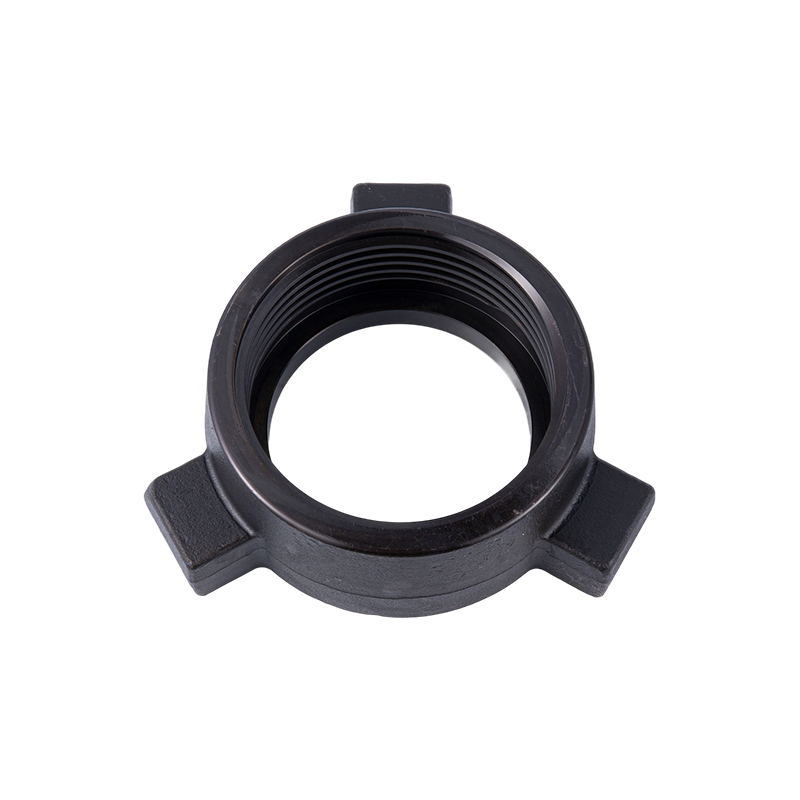
- Fittings and Flanges: These provide the necessary connections for high-pressure fluid intake and discharge. Proper installation of these fittings is crucial to avoiding leaks and maintaining pump efficiency under extreme conditions.
Function of a Fluid End in a Mud Pump
The fluid end of a mud pump is responsible for pumping drilling mud into the wellbore under high pressure, ensuring that the well remains clean and stable during the drilling process. The fluid end's role is to maintain consistent fluid flow, prevent contamination, and ensure efficient operation. The primary functions of a fluid end in a mud pump include:
- Pressurization: The fluid end is responsible for creating the high pressures required to circulate drilling mud to the surface, ensuring proper wellbore cleaning and cooling of the drill bit.
- Flow Control: It controls the rate and direction of the fluid flow. By managing the flow of mud through the system, the fluid end helps maintain consistent circulation, preventing wellbore collapse or fluid contamination.
- Filtration: In some mud pumps, the fluid end includes filtration components that help separate solid particles from the mud, ensuring the pump operates smoothly and reducing the risk of pump failure due to abrasive materials.
- Minimizing Pulsation: The fluid end also reduces the pulsating effect commonly associated with pump strokes. This reduction is vital for maintaining a smooth, continuous flow of fluid into the wellbore.
Difference Between a Fluid End and a Power End
While both the fluid end and power end are integral to the operation of a frac pump or mud pump, their functions and design characteristics differ significantly. Understanding these differences is crucial for maintaining and operating pump systems efficiently:
| Fluid End | Power End |
| The fluid end is responsible for handling the fluid directly, creating the pressure required to move the fluid through the system. It contains the valves, seats, plungers, and other components that control the flow and pressure of the fluid. | The power end, on the other hand, generates mechanical force through its reciprocating motion. It houses the crankshaft, connecting rods, and other components that drive the pistons in the fluid end. |
| The fluid end operates under extreme pressure and is subject to significant wear and tear due to the high velocity of fluid passing through it. | The power end operates under high mechanical load but is less affected by fluid pressure compared to the fluid end. |
| Fluid end components are often made from durable, high-strength materials to withstand erosion and corrosion caused by abrasive or chemically aggressive fluids. | Power end components are typically built for mechanical durability, using materials designed to handle heavy forces without failure. |
| The fluid end often requires more frequent maintenance and replacement of components like valves, seats, and plungers due to wear. | The power end generally requires less frequent maintenance, with most attention paid to the crankshaft and bearings. |
How Does a Quintuplex Fluid End Work?
The quintuplex fluid end is an advanced pump design featuring five cylinders, or plungers, working simultaneously to deliver high flow rates and minimize pulsation. The quintuplex configuration improves upon the triplex (three-cylinder) and duplex (two-cylinder) designs by offering smoother, more consistent fluid delivery. The operation of a quintuplex fluid end is as follows:
- Five Plungers: The five plungers in the quintuplex fluid end operate in a staggered sequence. Each plunger completes its cycle at a different time, which smooths out the pressure waves and creates a more continuous fluid flow. This design is especially valuable for high-demand applications like hydraulic fracturing.
- Higher Flow and Pressure Capabilities: By using five cylinders, the quintuplex system can handle higher flow rates and pressures compared to triplex or duplex fluid ends. This makes it well-suited for pumping high-viscosity fluids or working in challenging well conditions.
- Reduced Pulsation: One of the major advantages of the quintuplex design is its ability to reduce pulsation in the pump discharge. This leads to more consistent fluid delivery and less mechanical stress on the system, improving efficiency and extending the life of the pump components.
- Enhanced Durability: The quintuplex fluid end is designed to operate under extreme conditions. The use of durable materials, such as high-strength alloys for plungers and valves, ensures long-lasting performance even in abrasive environments.