EN
EN  English
 عربى
عربى हिंदी
हिंदीThe Real Cost of Downtime: Fast Fluid End Delivery for Fleets
Jan 23, 2026
Content
- 1 Downtime cost is a stack of losses, not a single line item
- 2 Why fluid-end parts often determine whether a fleet stays online
- 3 Fast fluid end delivery reduces downtime in three specific ways
- 4 How to set spares levels that match your fleet’s operating rhythm
- 5 What to demand from a supplier when uptime is the KPI
- 6 How we help fleets turn parts delivery into an uptime advantage
On a pumping fleet, “downtime” is rarely just the minutes a wrench is on a nut. It is the ripple effect: a crew waiting, a stage slipping, a blender throttled back, a manifold sitting idle, and a service schedule that turns into a scramble. As a manufacturer and supplier of frac pump fluid-end components, we build our delivery and stocking strategy around one objective—helping you keep iron pumping.
When a hydraulic-end issue forces a stop, the fastest repair in the world still loses money if the right parts are not already on hand—or cannot be delivered quickly enough to match your operating tempo. That is why fast fluid end delivery matters for your fleet: it compresses the time between “failure found” and “pump back online.”
Below, I will break down what downtime really costs, where it usually starts in the fluid end, and how to structure spares and delivery so your maintenance team can turn repairs into planned, predictable events instead of emergencies.
Downtime cost is a stack of losses, not a single line item
Most teams can quote the price of a seal kit or a valve set. Fewer teams can quantify the full downtime stack. In our experience supporting field operators, the real cost comes from several layers that accumulate at the same time.
A practical way to calculate your “true” downtime rate
I recommend calculating a downtime rate you can use for decision-making. A simple, field-usable model is:
True Downtime Rate ($/hr) = Lost pumping value + idle labor + standby third parties + logistics penalties + restart losses
| Cost layer | What to measure | Why it gets missed |
|---|---|---|
| Lost pumping value | Revenue or margin per pumping hour (or per stage) | Often tracked by finance, not maintenance |
| Labor and supervision | Fully burdened hourly cost for crew and support | People cost continues even when pumps stop |
| Third-party standby | Sand, wireline, chem, water transfer standby charges | Spread costs are distributed across vendors |
| Logistics and penalties | Missed slots, demurrage, rescheduling, rush freight | Shows up later, after the repair is “done” |
| Restart losses | Prime/restart time, pressure-test time, rework risk | Not booked as a “failure,” but still real time |
Once you have a credible downtime rate, you can evaluate two decisions clearly: (1) what you should stock on location, and (2) what your supplier must be able to deliver—accurately and fast—when you do not stock it.
Why fluid-end parts often determine whether a fleet stays online
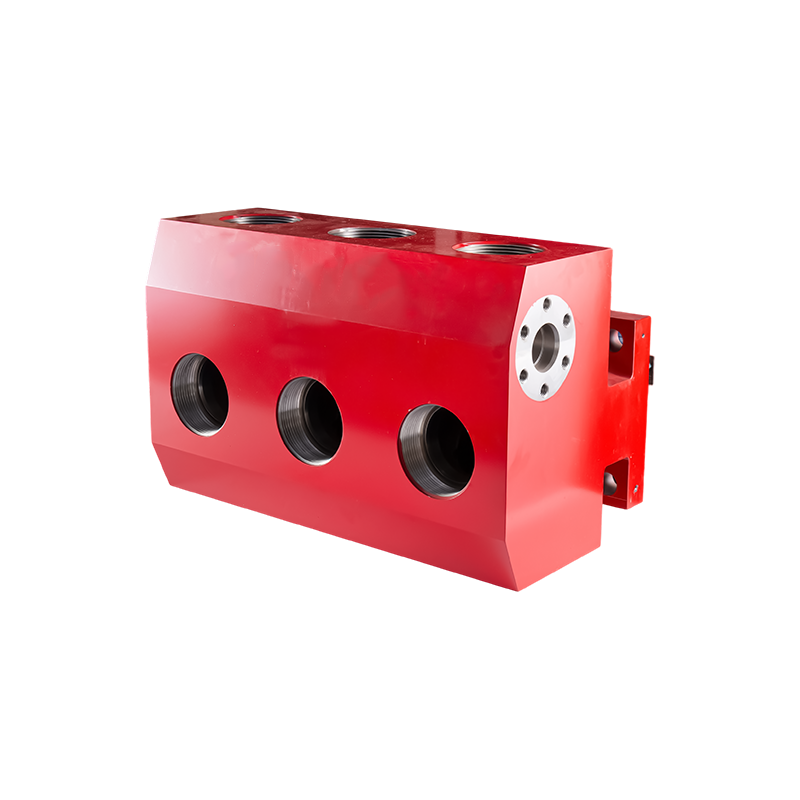
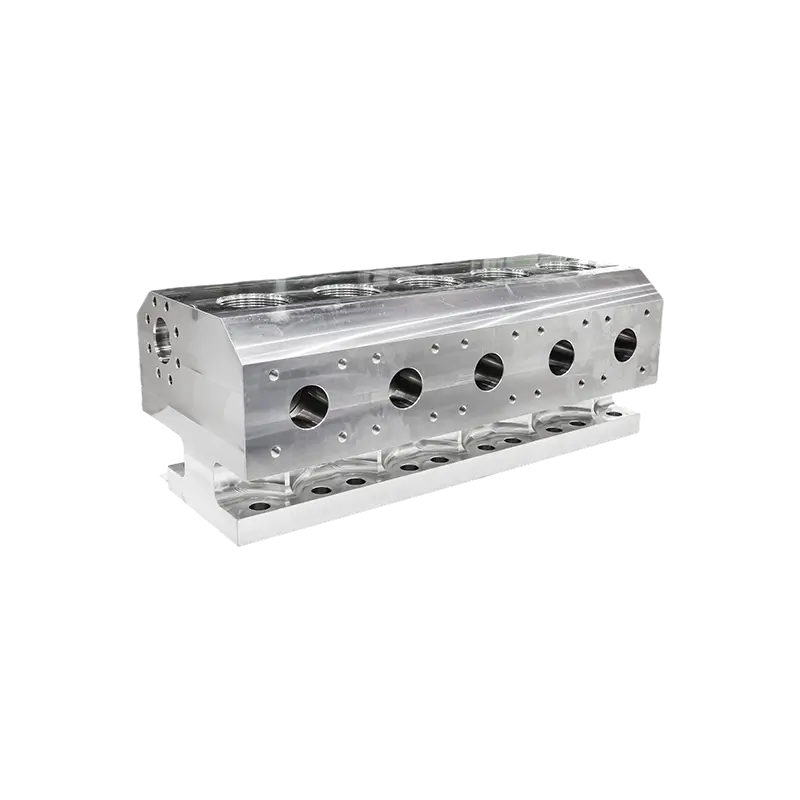
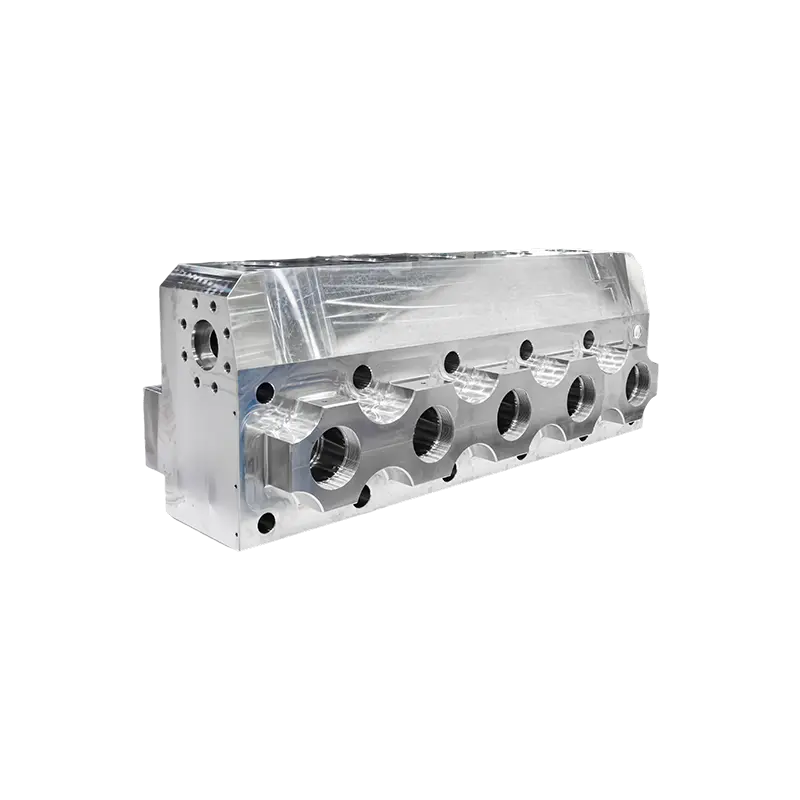
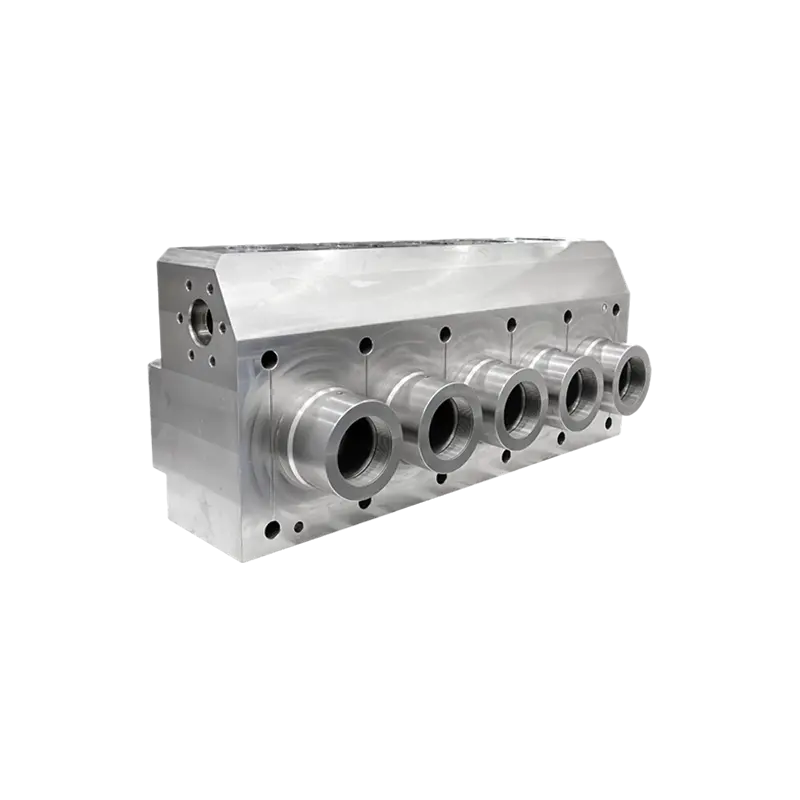
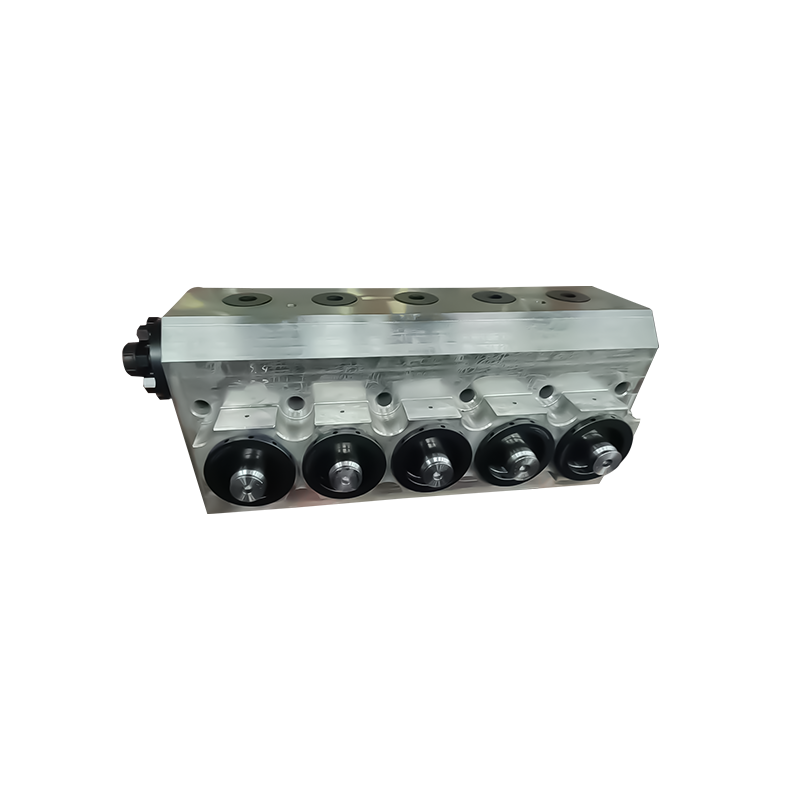
On a frac pump, the hydraulic end is where pressure, abrasives, and cyclic loading converge. That is why fluid-end components are commonly treated as uptime-critical spares. We group fluid end parts into three functional buckets—sealing, core working parts, and connection/fixing parts—because each bucket creates a different downtime pattern when it fails.
Sealing parts: small components with outsized downtime risk
Seals are designed to protect the hydraulic system integrity, but they also define whether a repair is quick and clean or messy and extended. For example, valve insert seals and packing seals are installed at interfaces that see both pressure and abrasive media. In high-pressure service, we routinely see seal selection and inventory discipline make the difference between a short changeout and repeated leakage troubleshooting.
- Valve insert seals: prevent leakage between valve body and seat during high-pressure cycling
- Packing seals: create the dynamic seal around the plunger under reciprocating motion
- D-type sealing rings: protect static interfaces such as flanges and end covers under pressure and wear
Core working parts: where wear turns into lost pumping time
Valves/seats, plungers, and suction/discharge covers are directly involved in fluid movement. When these parts degrade, you see it immediately as reduced performance, unstable pressure, or unplanned stops. If you want a concrete example of how material and design choices can change maintenance frequency, one of our improved valve-seat configurations uses tungsten carbide surface coating; field testing reported five times (and in some cases ten times) the normal working time compared with conventional designs. The practical takeaway is simple: longer wear life reduces the number of forced interventions per stage set, which reduces downtime exposure.
If you want to review component options and descriptions across sealing, core working, and connection/fixing parts, this is our Fluid End Parts page.
Fast fluid end delivery reduces downtime in three specific ways
Delivery speed is not only about shipping time. It is about how quickly a supplier can confirm the correct part, pull it from stock, validate it, and get it onto a truck or air freight with minimal back-and-forth. In practice, fast fluid end delivery protects your fleet through three mechanisms.
1) It shortens the “diagnose-to-parts-in-hand” window
Many delays happen before shipping even starts—misidentified components, incomplete specifications, or chasing compatibility. We reduce this window by keeping common fluid-end accessories locally stocked and supporting interchange across models, so you are not forced into a “wait for production” cycle when the field needs a part now.
2) It reduces the temptation to reuse marginal parts
When the right part is not available, teams are pressured to reuse seals, push valve sets beyond their intended life, or delay changeouts “one more stage.” That often converts a manageable wear condition into an unplanned stop. Reliable, fast delivery lets maintenance decisions be technical, not desperate.
3) It enables kitting so repairs stay predictable
Instead of ordering single parts, high-performing fleets kit the parts needed for the complete task (for example: valve/seat components plus seals plus fastening hardware). Kitting reduces repair starts that stall mid-job because a small item is missing.
- For valve work, pair valve body/seat components with the correct insert seals to avoid leakage rework
- For plunger work, include packing seals and wear sleeves where applicable so alignment and sealing can be completed in one window
- For connection work, include sealing rings plus connection hardware to prevent “repair complete, but cannot pressure up” events
A good example of downtime-sensitive connection hardware is the union-style flange. These are built to support quick disassembly/assembly, and are commonly designed for high-pressure service—often up to 10,000 psi or more. If you want technical context on flange types used on suction/discharge interfaces, see our frac pump flanges page.
How to set spares levels that match your fleet’s operating rhythm
Fast delivery does not replace spares planning—it strengthens it. The goal is to stock what fails frequently and relies on immediate availability, then use rapid replenishment for longer-tail items so you do not tie up capital unnecessarily.
A field-ready approach to spares planning
- Separate “wear consumables” (seals, packing, sealing rings) from “hardware and assemblies” (valves/seats, plungers, covers, flanges).
- Use your own last 30–90 days of consumption to identify the fastest-moving SKUs by pump model and service intensity.
- Set a minimum stock level based on “time to replenish,” not on purchasing cycles. If replenishment takes 2–3 days, your minimum should cover that window plus a buffer.
- Build kits for the top repair events, and store kits where the work happens (yard, satellite base, or location).
- Standardize specifications (pressure rating, size, material, compatibility notes) so every reorder is unambiguous.
One practical tip: do not let a “small” item become a fleet-stopper. For example, seals may be low-cost, but they must meet the application environment. In high-pressure fracturing duty, fluid-end seals can be expected to operate across challenging temperatures (e.g., -40℃ to 120℃) and ultra-high pressure conditions (e.g., above 100 MPa) depending on design and material selection. That is why we treat sealing parts as planned-consumption inventory, not as “order when we run out.”
What to demand from a supplier when uptime is the KPI
Fast delivery only helps if the part is correct and consistent. For fleets that live and die by uptime, I suggest evaluating suppliers against a short, operationally focused checklist.
Supplier checks that prevent repeat downtime
- Traceability and documentation: material identification, inspection records, and clear part labeling that matches your internal BOMs.
- Process capability: heat treatment control, machining consistency, and inspection discipline that supports repeated interchange.
- Verification steps: pressure testing capability and defined inspection points for critical fluid-end interfaces.
- Packaging and readiness: parts protected for transport, and kits packaged so technicians can move from teardown to assembly without delay.
- Logistics footprint: stocked inventory positioned to meet your lanes, not just a promise of future manufacturing capacity.
From our side as a manufacturer, we align facilities and quality controls to match these expectations—machining, heat treatment, assembly support, pressure testing areas, and inspection functions—because fast delivery is meaningless if the part triggers a second shutdown.
How we help fleets turn parts delivery into an uptime advantage
When you call us during an unplanned stop, our goal is to make the transaction operationally simple: confirm the right component quickly, ship it fast, and help your team avoid rework. To do that, we focus on three actions that consistently reduce downtime exposure.
Rapid identification: we eliminate “guessing”
We ask for the minimum information needed to prevent wrong-part delays: pump series/model, fluid-end configuration, pressure rating, size, and the failure symptom (leakage, unstable pressure, wear pattern). With that, we can match you to sealing, core working, or connection/fixing parts with fewer iterations.
Stocked availability: we plan for fleet realities
We maintain a broad range of fluid-end accessories in local stock and support interchange across models so fleets can keep moving even when consumption spikes. When you pair that with a structured min/max program on your side, the result is fewer emergencies and shorter stops when emergencies still happen.
Kitting support: one repair window, not three shipments
If you want to reduce repair cycle time, we can help you standardize kits for the work your technicians perform most often—valve and seat work, sealing replacements, plunger-related maintenance, and connection hardware changes. The objective is straightforward: one planned intervention instead of repeated short stops.
If you are building a spares list or want to align part selection with your fleet’s models, start here: our Fluid End Parts page. It organizes the core fluid-end components and helps procurement and maintenance teams speak the same language when time matters.