EN
EN  English
 عربى
عربى हिंदी
हिंदीWinterizing Your Frac Fleet: Protecting Fluid Ends in Freezing Conditions
May 20, 2026
Content
- 1 Why Freezing Temperatures Are Especially Dangerous for Fluid Ends
- 2 The Most Vulnerable Components in a Fluid End During Winter
- 3 Pre-Winter Inspection and Fluid Management
- 4 Keeping the Fluid End Warm: Heating and Insulation Strategies
- 5 Idle-Equipment Winterization: Draining and Storage Protocols
- 6 Building a Winter Spare Parts Inventory
Why Freezing Temperatures Are Especially Dangerous for Fluid Ends
A fluid end that runs flawlessly through a Texas summer can fail catastrophically on the first hard freeze of the season—not because the equipment changed, but because the physics did. Inside a frac pump fluid end, you have three conditions working against you simultaneously in cold weather: high-pressure cavities that once held fluid now trap residual water, precision-machined clearances that leave almost no room for dimensional change, and elastomeric seals whose job depends on staying pliable. When temperatures drop below 32°F, any water left in the pump begins to expand as it freezes—exerting up to 2,000 psi of radial pressure against cylinder walls, valve bores, and end-cap faces. That force doesn't discriminate between a hairline defect and a sound surface.
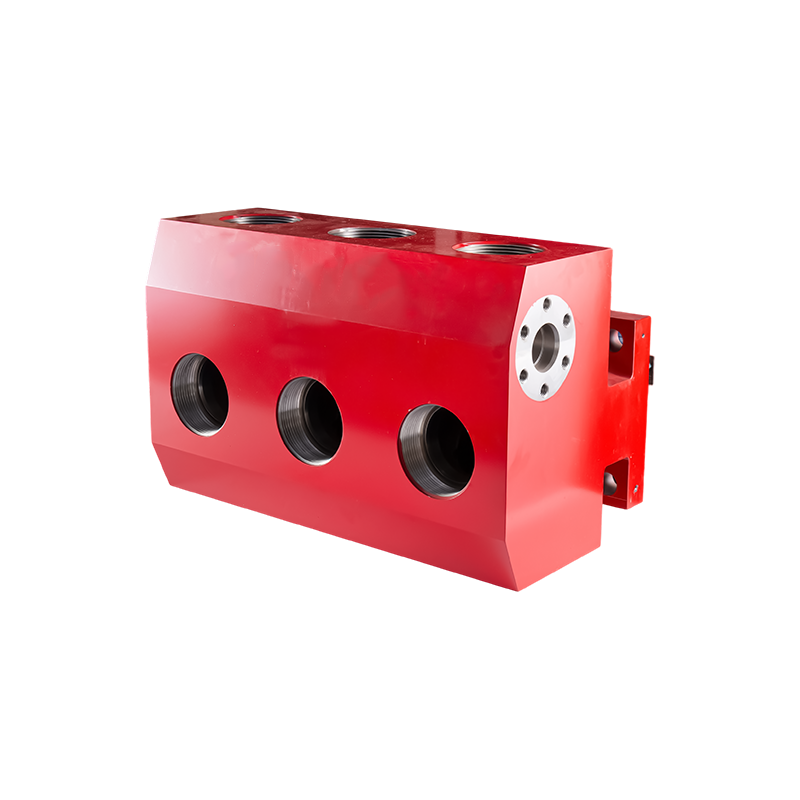
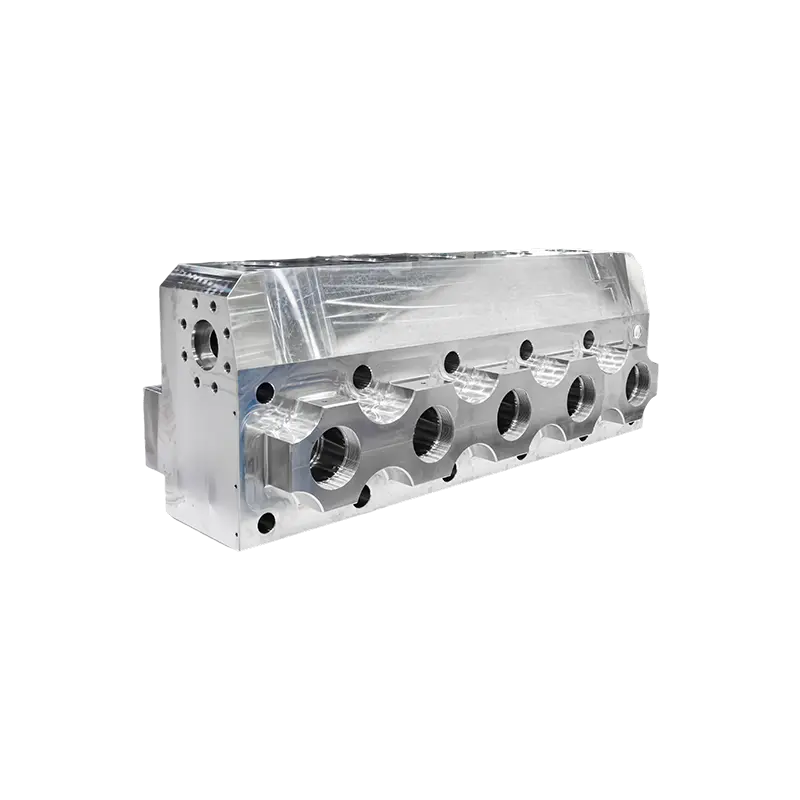
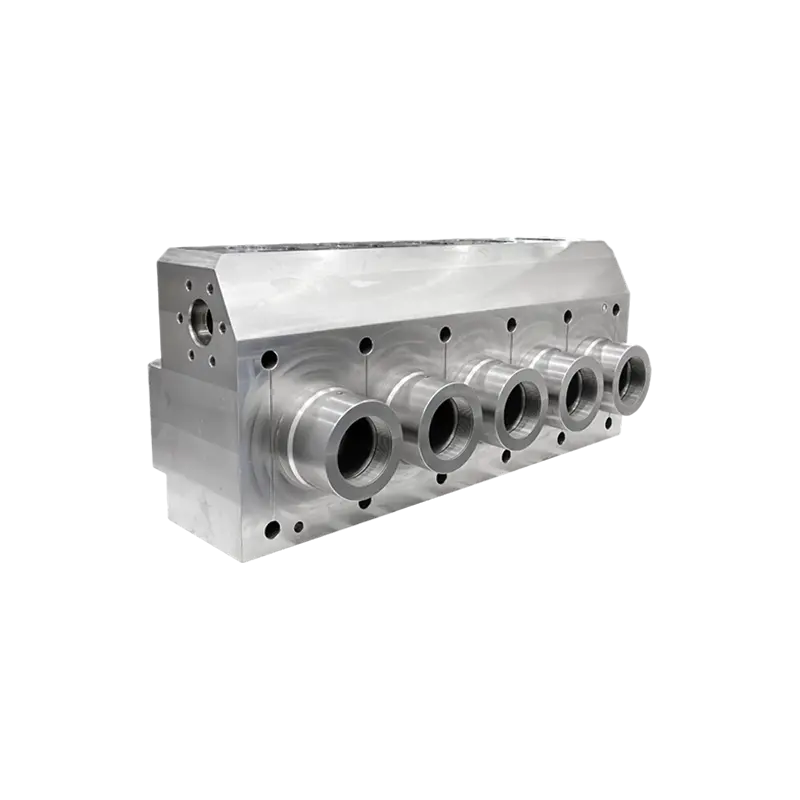
The damage profile is also deceptive. Unlike a blown seal during a job, freeze-related cracking often starts internally and remains invisible until the pump is pressurized again. By then, you're looking at a cracked block, a scored plunger bore, or a failed discharge cover—failures that shut down a unit mid-job and rarely announce themselves with warning signs. This is why freeze protection for high-pressure fluid end assemblies engineered for demanding oilfield conditions isn't a nice-to-have; it's the difference between a productive winter campaign and an expensive rebuild season.
The American Petroleum Institute underscores how critical equipment integrity is under extreme field conditions—API Std 16FI, the new frac iron safety standard, was specifically developed to address the rigors of high-pressure operations where equipment operates under conditions that push design limits. Cold weather is one of those limits, and it's one most operators still underestimate.
The Most Vulnerable Components in a Fluid End During Winter
Not every part of a fluid end is equally exposed to freeze risk. Understanding which components fail first—and why—lets you prioritize your inspection effort where it actually matters.
Packing Seals
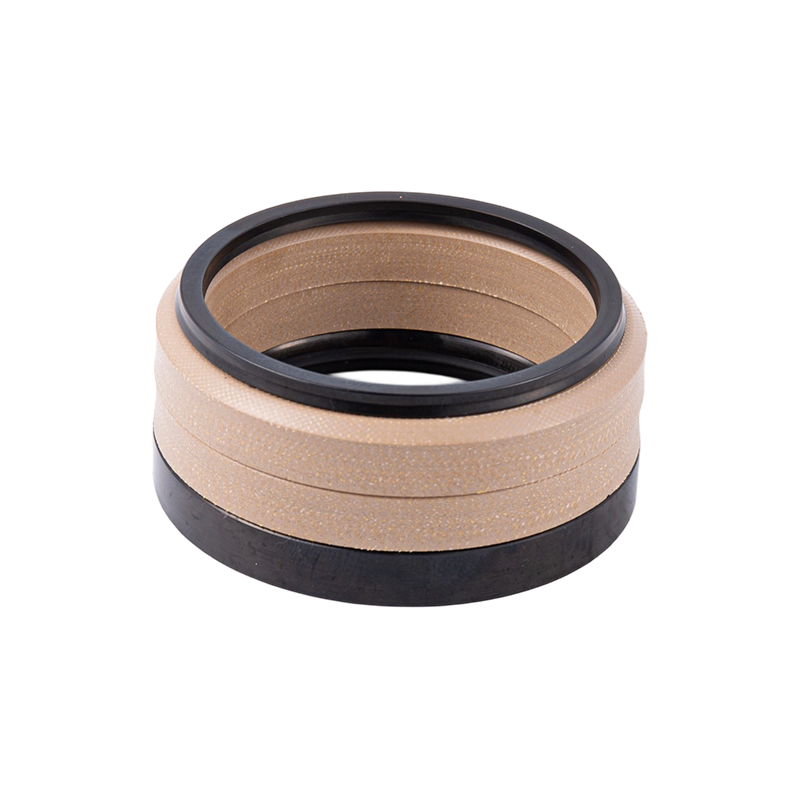
Packing seals are arguably the first casualty of cold weather. Elastomeric materials harden significantly below 20°F, losing the conformability they need to maintain a dynamic seal around a reciprocating plunger. A seal that seals at 70°F may leak at startup in sub-zero conditions even before visible damage occurs. Thermal cycling compounds the problem: repeated freeze-thaw cycles cause micro-cracking in the seal body, accelerating wear far beyond what the operational hour count would predict. Packing seals designed to maintain elasticity under thermal cycling are worth the spec-up cost heading into a northern basin winter.
Plungers
Plunger surfaces rely on tight dimensional tolerances and hard protective coatings. In freezing conditions, two failure modes emerge. First, any residual fluid in the stuffing box can freeze around the plunger, creating an ice grip that locks the plunger in place—forcing the power end to overcome that resistance on startup and concentrating stress at the coating interface. Second, rapid temperature differentials between the plunger body (steel or ceramic-coated) and the surrounding frozen fluid create thermal shock that initiates surface micro-cracks. Hardened plungers built to resist surface fatigue in abrasive and cold environments provide a meaningful edge when temperatures bottom out.
Valves and Seats
Suction and discharge valves depend on precise seating geometry to function. Ice contamination—even trace amounts—can hold a valve open or locked shut. In both cases the result is pressure irregularity: either fluid bypasses the valve and drops flow rate, or the stuck valve causes pressure spikes that load the block unevenly. Sand-laden fracturing fluids make this worse; ice and proppant together can pack a valve bore more effectively than either alone.
Discharge and Suction Covers
End covers are subject to the highest tensile stress concentration in the fluid end body, particularly around bolt holes and flange faces. In freezing conditions, ice expansion inside the cover cavity applies outward pressure exactly where material stress is already highest. Discharge and suction covers built to withstand end-cap stress depend on material toughness at low temperatures—a specification that becomes critical in the Permian's rare deep freezes and routine in the Bakken.
Pre-Winter Inspection and Fluid Management
The most cost-effective winterization work happens before the first freeze, not after. A structured pre-season inspection on every fluid end in your fleet takes roughly two to three hours per unit and can prevent weeks of downtime.
- Drain all residual fluid completely. Use the lowest drain point on the fluid end and confirm the cavity is clear before storage or standby. Do not assume gravity drainage is complete—use compressed air to purge the suction passages if in doubt.
- Inspect packing seals for pre-existing wear. Any seal showing extrusion, cut lips, or compression set should be replaced before cold weather, not after. A marginally passing seal at 60°F will fail at 15°F.
- Check valve assemblies for debris and seating integrity. Cold-weather valve failure almost always has a pre-existing root cause—a nicked seat, a worn spring, sand packing behind the valve body. Address it now.
- Inspect discharge and suction cover bolt torque. Bolts that loosened during the last campaign create small fluid traps. Retorque to spec and verify thread condition.
- Switch to low-temperature packing lubricant. Standard packing greases thicken significantly below 32°F. Use a lubricant rated for your anticipated minimum ambient temperature.
- Pressure test at low temperature if possible. A cold hydrostatic test reveals micro-cracks that disappear when metal returns to ambient temperature. Even a short test at 1,500–2,000 psi gives you meaningful diagnostic data.
Fluid management extends beyond the pump itself. Ensure suction lines are either fully drained or kept in continuous circulation, and verify that any water-based spacer or displacement fluid has been replaced with a glycol-based alternative if the unit will see temperatures below freezing during standby.
Keeping the Fluid End Warm: Heating and Insulation Strategies
For actively operating equipment, the goal is simple: keep fluid end temperatures above 40°F before startup and maintain them above freezing during any idle period longer than 30 minutes. There are two approaches—active heating and passive insulation—and most effective winter programs use both.
Active Heating
Immersion and circulation heaters placed in the suction manifold or directly in the fluid supply keep incoming fluid from arriving cold at the pump. This is particularly important for water-based frac fluids, which begin to freeze at 32°F and can partially freeze in suction lines well before the ambient temperature hits that threshold. For high-value or continuously operating units, electric heat tape wrapped around the fluid end body and covered with insulation provides direct thermal protection at minimal operating cost. Block heaters on the engine side keep power end lubrication flowing, but don't assume this warmth reaches the fluid end—they are thermally isolated enough that the fluid end can still be dangerously cold when the engine is warm.
Passive Insulation
Insulating blankets designed for pump bodies can hold residual heat for several hours during idle periods, buying the time needed between jobs without continuous heating energy. Temporary warm-air shelters—tent-style enclosures over the frac spread—are standard practice in northern Canadian basins and increasingly common in the northern U.S. The investment in shelter infrastructure pays back quickly if a hard freeze rolls in during a between-stage interval.
One rule that applies regardless of method: never start a fluid end cold under full job pressure. Allow the fluid end to reach at least 40°F before initiating a pump-in. The thermal shock of driving cold, stiff fluid through a frozen or near-frozen fluid end at high speed is one of the most reliable ways to crack a block that would otherwise have years of service life remaining.
Idle-Equipment Winterization: Draining and Storage Protocols
Equipment that will sit idle for more than 24 hours in freezing conditions needs a specific procedure—not just a quick drain. The difference between a pump that comes back healthy in spring and one that needs a full fluid end rebuild often comes down to how thoroughly this step was executed.
- Drain all fluid ends completely, including suction covers, discharge covers, and any low-point cavities in the manifold assembly. Tilt the unit if necessary to ensure gravity drainage is complete.
- Purge with compressed air at low pressure (30–60 psi) through the suction connection to clear residual fluid from passages that gravity won't reach.
- Apply a corrosion inhibitor or preservation oil through the packing area to coat internal surfaces. This also prevents the dry seals from taking a compression set during extended storage.
- Cap all open ports—suction connections, discharge connections, and any instrumentation ports—to prevent moisture ingress. Condensation inside a fluid end cavity over a winter-long storage period is enough to cause corrosion pitting on valve seats and plunger bores.
- Tag and document the unit's preservation status so returning crews don't inadvertently start a preserved pump without the recommissioning steps.
When recommissioning after cold storage, always pre-fill the fluid end with fluid before startup, verify all caps and preservation fittings are removed, and run the pump at low speed and low pressure for a break-in period before advancing to job pressure. The power end maintenance guide for frac pumps covers complementary recommissioning steps for the mechanical drive side that should be executed in parallel.
Building a Winter Spare Parts Inventory
Cold weather accelerates wear on the exact components that are hardest to source quickly. The right spare parts strategy heading into winter isn't about stocking everything—it's about stocking the parts that fail most frequently in cold conditions and whose absence creates the longest downtime.
| Component | Winter Failure Mode | Recommended Stock |
|---|---|---|
| Packing Seals | Thermal hardening, micro-cracking from freeze-thaw cycles | Full set per pump × 2 |
| Valve Assemblies (seat + body + spring) | Ice-induced seating failure, proppant-ice packing | Complete valve kit per pump |
| Plungers | Ice-grip surface cracking, thermal shock coating failure | 1 replacement per active pump |
| Discharge / Suction Cover Gaskets | Seal face damage from ice expansion in cover cavity | 2 sets per pump |
| Cover Bolts and Nuts | Stress corrosion, cold-torque fastener failure | Full bolt kit per pump |
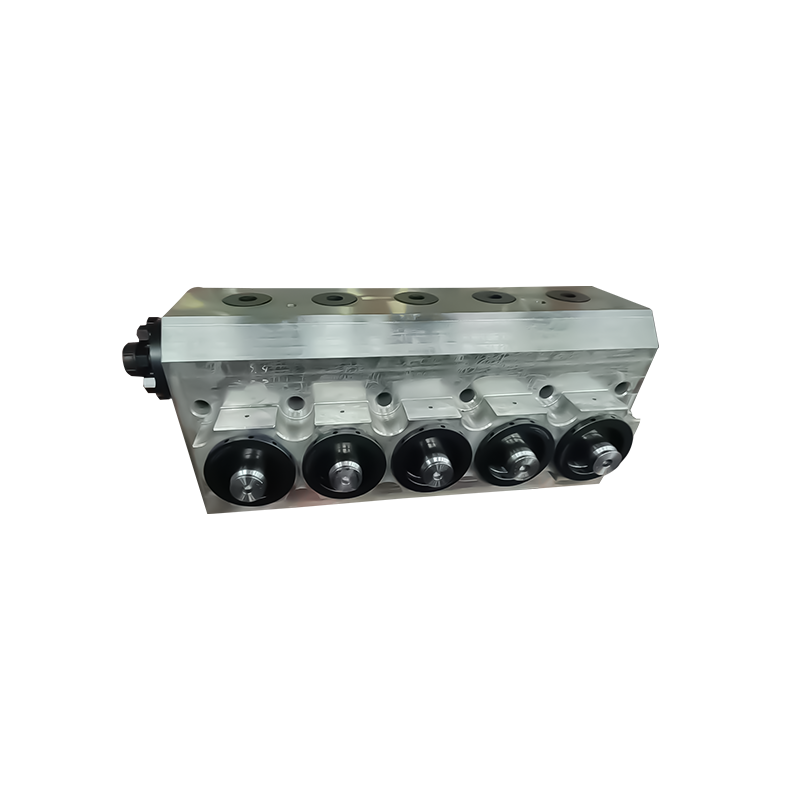
Parts availability in remote northern locations during peak winter drilling is rarely predictable. Stocking locally—whether at your yard or at a regional distribution point—eliminates the lead time risk that can turn a two-hour repair into a two-day standdown. Complete fluid end parts and replacement components stocked across U.S. warehouse locations give operators the option to resupply quickly without waiting on overseas shipment timelines. Planning that inventory before the season, not during it, is the single highest-leverage winterization decision a fleet manager can make.