EN
EN  English
 عربى
عربى हिंदी
हिंदी5 Maintenance Habits That Extend the Lifespan of Your Fluid Ends
Apr 03, 2026
Content
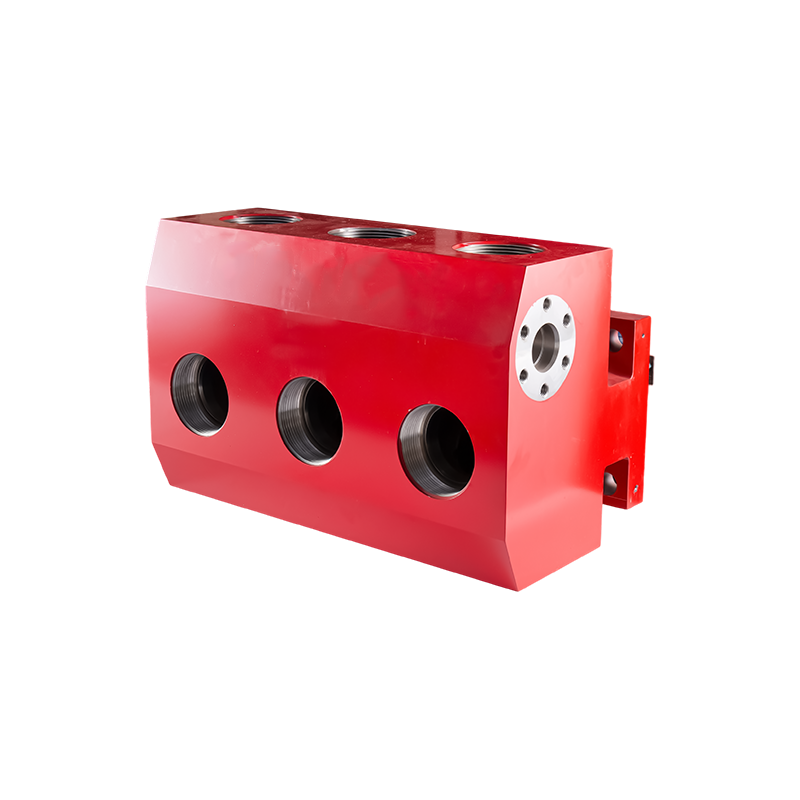
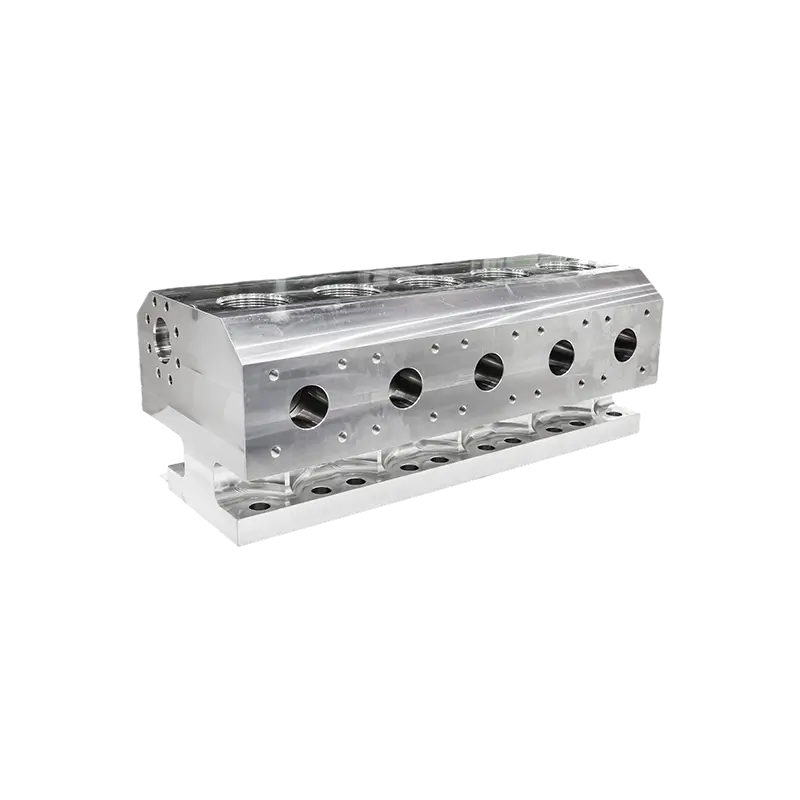
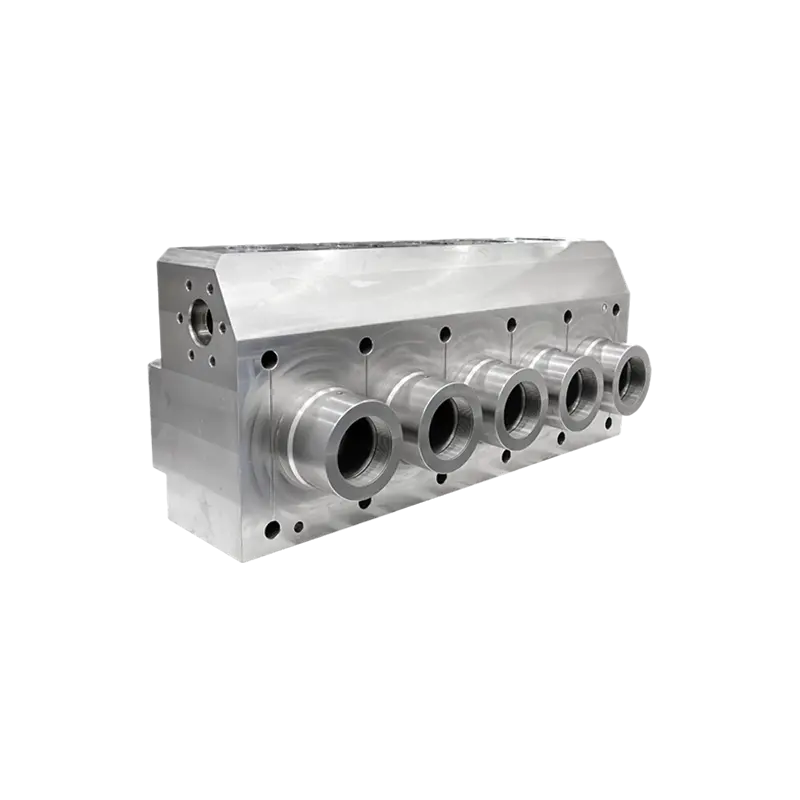
Fluid ends are the most punishing components in any high-pressure reciprocating pump. In hydraulic fracturing and drilling operations, they endure relentless pressure cycles, abrasive slurry, and corrosive fluids — often around the clock. While no fluid end lasts forever, the gap between a component that fails after 300 hours and one that runs reliably past 1,000 hours almost always comes down to maintenance discipline.
These five maintenance habits are proven to protect fluid end blocks, extend the life of expendables, and reduce costly unplanned downtime on the job site.
Conduct Routine Visual Inspections Before Every Shift
The single most cost-effective maintenance habit requires no special tools — just a trained eye and a consistent routine. Before each shift begins, every operator should walk the fluid end and inspect it for early warning signs that, if ignored, will accelerate component failure.
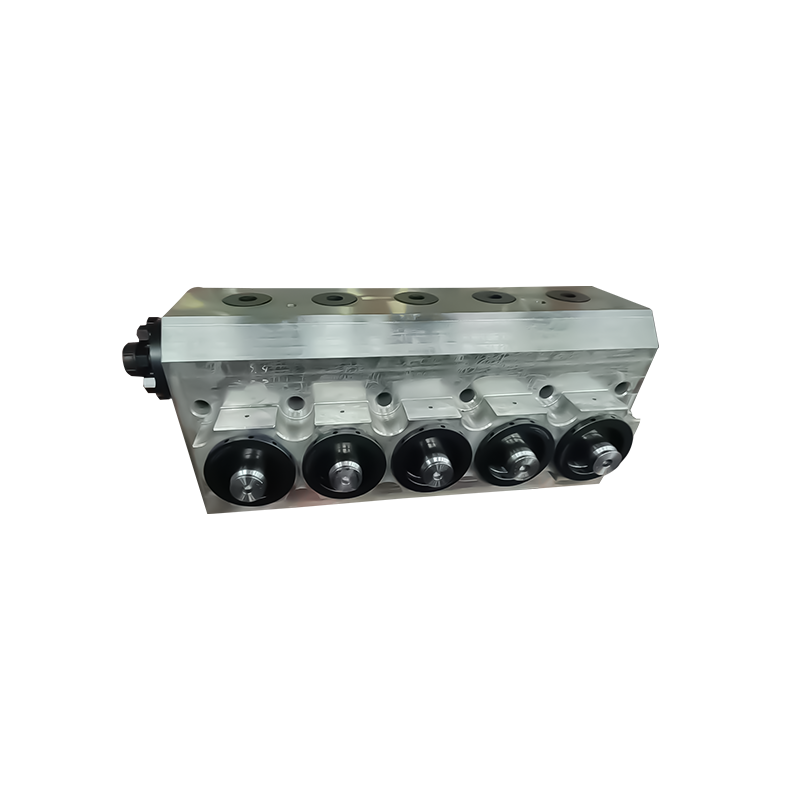
Start by checking all external surfaces, access caps, and connections for signs of fluid weeping or active leaks. Even minor seepage around valve covers or packing areas indicates that internal components are under stress. Next, examine all visible hoses, high-pressure connections, and fittings for erosion, swelling, or cracking. Pay close attention to the area around the plunger packing — this zone sees constant reciprocating motion and is often the first place wear becomes visible.
Listen during startup as well. Unusual knocking, clanging, or pressure fluctuations can point to damaged valves or a failing seat before the issue becomes catastrophic. Catching a worn valve early can be the difference between a 30-minute consumable swap and a full fluid end block replacement.
Document each inspection, even when everything looks normal. A log of "no issues found" is just as valuable as a defect report — it establishes a baseline and helps identify when conditions begin to deviate from normal.
Monitor and Control Operating Pressure
Fluid ends are engineered and rated for specific maximum operating pressures. Routinely pushing beyond those limits — even briefly — has a compounding effect on internal stress that significantly shortens component life.
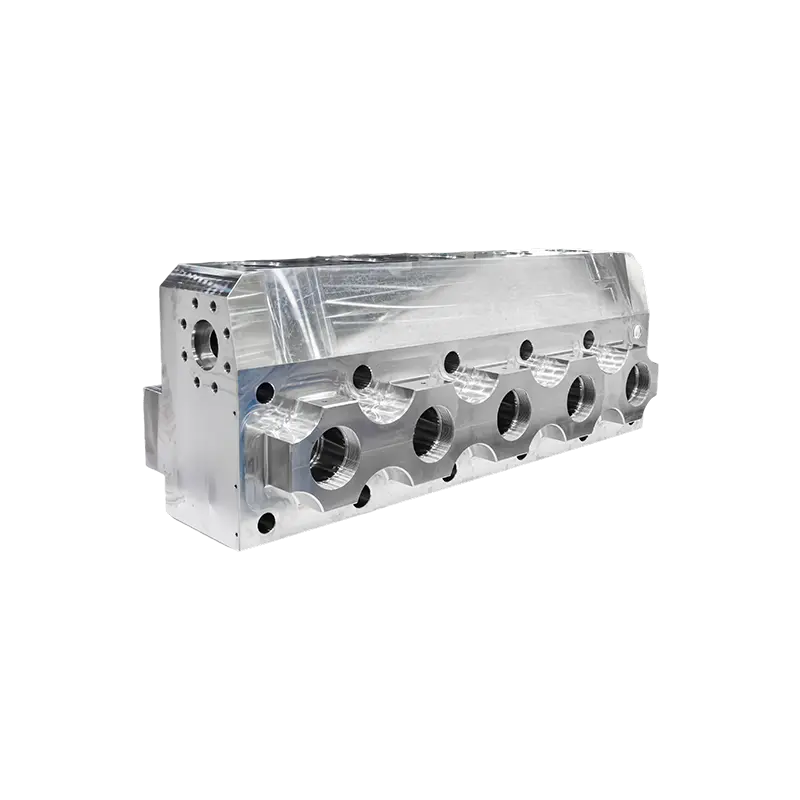
High-pressure reciprocating pumps experience cyclic fatigue: every pressure stroke loads the fluid end block, and every suction stroke releases that load. Over thousands of cycles per hour, this stress concentrates around bore intersections and valve pocket geometries inside the block. When operating pressure is kept within the manufacturer's rated range, the block handles this fatigue predictably. When pressure spikes exceed design limits, micro-cracks can initiate and propagate — often invisibly — until the block fails suddenly.
Install reliable pressure gauges and monitoring systems and calibrate them regularly. Train operators to respond immediately to pressure anomalies rather than pushing through them. If a pump is consistently cavitating or pressure is fluctuating erratically, investigate the root cause — whether it's a suction line restriction, worn valve, or inadequate fluid supply — rather than compensating by increasing pump speed or discharge pressure.
Operating at 90% of the rated pressure limit, rather than at the ceiling, can dramatically reduce fatigue-driven failures and extend the service interval of both the fluid end block and all associated expendables.
Replace Expendables on a Proactive Schedule
Valves, seats, plungers, liners, and packing are designed to wear — they are the sacrificial components that protect the far more expensive fluid end block. The critical mistake many operations make is treating these parts as reactive replacements: waiting until they fail before swapping them out.
By the time a valve has deteriorated enough to cause audible symptoms or a measurable drop in pump output, it has likely been damaging the seat and the surrounding bore for some time. A worn plunger seal that begins to leak externally has already allowed contaminated fluid to work against the packing area. Reactive maintenance turns a $200 valve replacement into a potential $2,000+ repair.
Instead, establish proactive replacement intervals based on operating hours and the specific fluid being pumped. Most manufacturers publish recommended service intervals for expendables — these intervals should be treated as ceilings, not targets. In high-solids or highly corrosive environments, intervals may need to be shortened based on observed wear rates.
Keep a well-stocked inventory of the expendables specific to your fluid end model. Downtime caused by waiting on parts often costs far more than the parts themselves. Rotating liners periodically, when the design allows, can also help distribute wear more evenly and extract more life from each component before replacement is required.
Use the Right Fluid and Maintain Fluid Cleanliness
What flows through a fluid end has a direct and measurable impact on how long it lasts. Abrasive solids, corrosive chemistry, and incompatible additives all accelerate wear in ways that no amount of inspection or part replacement can fully offset.
In fracturing operations, proppant-laden fluid is inherently abrasive. While fluid ends are built to handle this environment, excessive solids concentration, oversized particles, or poor mixing consistency can cause erosion to accelerate well beyond design expectations. Work with your fluid system team to ensure that slurry is mixed within the specified concentration range and that proppant particle size is appropriate for the pump and fluid end in use.
Corrosion is an equally serious threat, particularly in operations using acidic or chemically aggressive stimulation fluids. Even brief exposure to incompatible chemistry can compromise sealing surfaces and begin pitting the bore walls of a fluid end block. Always verify that the materials of your fluid end — whether carbon steel or stainless steel — are compatible with the specific fluid chemistry being pumped.
Suction system cleanliness matters as well. Strainers and filters on the suction side of the pump should be inspected and cleaned regularly. A partially blocked strainer starves the pump of fluid, causes cavitation, and creates the erratic pressure swings that fatigue fluid end components rapidly. Clean fluid in, reliable performance out.
Keep Detailed Maintenance Records
Every inspection, part replacement, pressure reading, and observed anomaly should be recorded and stored in a searchable maintenance log. This habit costs very little time but pays back significantly over the life of the equipment.
Detailed records allow maintenance teams to identify wear patterns that are not obvious from any single data point. If valve seats in a particular bore position consistently wear faster than others, that pattern points to a hydraulic imbalance, a recurring installation issue, or a localized fluid flow problem that can be corrected. Without records, the same problem repeats indefinitely.
Maintenance logs also serve as the foundation for optimizing replacement intervals. As you accumulate data on how long specific expendables last under specific operating conditions, you can fine-tune your proactive replacement schedule — avoiding unnecessary early replacements while still catching parts before they cause damage.
From a business standpoint, complete maintenance records support warranty claims, demonstrate compliance with manufacturer service requirements, and provide documentation that protects your operation in the event of a disputed failure. A well-maintained log is not just paperwork — it is a performance and reliability asset.
Digital maintenance tracking tools and mobile inspection apps can make this habit easier to sustain consistently across crews and shifts, reducing the chance that records fall through the cracks during high-tempo operations.
The Bottom Line
Fluid ends operate in some of the harshest conditions in industrial pumping. Their lifespan is never unlimited — but it is highly manageable. Operations that commit to pre-shift inspections, disciplined pressure control, proactive expendable replacement, fluid quality management, and thorough recordkeeping consistently outperform those that rely on reactive fixes.
The cost of a structured maintenance program is always a fraction of the cost of an unplanned fluid end failure. These five habits, applied consistently, protect your investment, reduce downtime, and keep your pumping operation running at its full potential.