EN
EN  English
 عربى
عربى हिंदी
हिंदीWinterizing Your Frac Fleet: Protecting Fluid Ends in Freezing Conditions
Apr 27, 2026
Content
- 1 Why Freezing Temperatures Specifically Damage Frac Fluid Ends
- 2 Pre-Season Fluid End Inspection: What to Check Before First Freeze
- 3 Fluid Selection and Viscosity Management in Cold Weather
- 4 Protecting Valves, Packing Seals, and Plungers from Freeze Damage
- 5 Cold-Start Protocols: Warming Up Without Damaging Your Fluid End
- 6 Winter Shutdown and Storage Checklist for Frac Fluid Ends
When temperatures fall below freezing on a frac site, the fluid end becomes the most vulnerable component on your entire pump spread. Unlike power ends, which benefit from oil bath lubrication and enclosed housings, frac pump fluid ends are in constant contact with process fluid, subjected to relentless pressure cycling, and built with tight clearances that leave little tolerance for ice expansion or viscosity-driven stress. A well-executed winterization program is the difference between a fleet that performs through a Permian Basin cold snap and one that racks up cracked blocks, blown seals, and unplanned swaps heading into Q1.
This guide focuses specifically on protecting frac pump fluid ends in freezing conditions — covering pre-season inspection, fluid management, component-level freeze protection, cold-start protocols, and proper winter shutdown procedures.
Why Freezing Temperatures Specifically Damage Frac Fluid Ends
Most winterization guides address general pumping equipment. Frac fluid ends face a different and more severe set of cold-weather risks, rooted in the nature of high-pressure reciprocating operation and the materials involved.
The first risk is seal and elastomer embrittlement. Standard packing materials — including many Buna-N, Viton, and EPDM elastomers — begin losing flexibility below 40°F (4°C). A seal that performed flawlessly in summer will be significantly stiffer at startup on a 25°F morning, increasing the probability of immediate leakage or cracking under the first pressure spike of the day.
The second risk is ice formation from water contamination. Frac fluids regularly carry residual moisture. When a pump sits idle overnight in sub-freezing conditions, that moisture can freeze inside valve bores, plunger packings, and manifold passages. Water expands approximately 9% upon freezing — in components machined to tight tolerances, that expansion is enough to initiate fatigue cracking in the fluid end block itself.
The third and most insidious risk is cold-start cavitation. When fluid viscosity is too high at startup, suction pressure drops below the fluid's vapor pressure, causing vapor bubbles to form and collapse violently inside the cylinder. Operators often misattribute cavitation damage to impeller wear or poor fluid chemistry, when in reality, the root cause was inadequate warm-up in freezing ambient conditions. Over several cold starts, cavitation pitting degrades valve seats and plunger bores at an accelerated rate.
Pre-Season Fluid End Inspection: What to Check Before First Freeze
The window between fall operations and the first hard freeze is the best time to identify components that will fail under cold-weather stress. Deferred maintenance that seemed acceptable in mild temperatures will surface quickly once thermometer readings drop below 32°F.
Start with a fluid sample from the suction manifold. Test for water content and particle count. Elevated water content signals contamination that will become an ice hazard; elevated particle count indicates accelerated internal wear that will worsen as cold thickens fluid and reduces lubrication film strength. If the sample shows either condition, address root causes before winter — not during a cold-snap service call.
Inspect all valve bodies, valve seats, and retainers for micro-cracking, pitting, and uneven wear faces. Valves that are borderline serviceable in warm months will fail faster in cold conditions because increased fluid viscosity slows valve response, causing harder impacts on each cycle. Replace any valve assembly showing pitting depth greater than 0.010 inches or visible heat-check cracking.
Check plunger surface condition and measure diameter at multiple points along the stroke zone. Cold-weather startup produces asymmetric loading that concentrates stress at scoring marks. A plunger with light scoring in warm months can produce catastrophic packing failure when it contacts stiffened elastomers under high cold-start loads.
Finally, change all return and pressure filter elements before the season begins. Cold oil is denser, and clogged filters under low-temperature conditions starve components of lubrication precisely when viscosity is already imposing higher startup loads on bearings and seals.
Fluid Selection and Viscosity Management in Cold Weather
Choosing the right fluid is the single highest-impact decision in a cold-weather fluid end protection program. A fluid that is too thick at low temperatures punishes pump components during startup; one that is too thin at operating temperature reduces film strength and accelerates internal wear once the pump reaches working pressure.
For most frac fleet applications, winter preparation requires moving to a higher viscosity index (VI) fluid or a full synthetic option that maintains stable viscosity across a wide temperature range. High-VI fluids resist the dramatic thickening that standard mineral oils exhibit at low temperatures, delivering faster cold starts while maintaining adequate film strength under heavy cyclic loads.
Match your fluid grade to your actual ambient range — not a regional average. A pump operating in the Marcellus Shale during a January cold snap faces different low-temperature demands than one running in the Eagle Ford in the same month. Pull the equipment maker's minimum allowable viscosity at startup temperature, then verify your selected fluid meets that specification at the coldest ambient you expect to encounter, not just at a comfortable 50°F.
Water contamination management becomes critical in winter. Even small amounts of water (below 0.1% by volume) can freeze in valve bores and manifold passages under overnight conditions. Implement moisture monitoring as part of every pre-job fluid check and establish a zero-tolerance threshold for water contamination in any fluid end going into a winter operation.
| Ambient Temperature | Risk Level | Recommended Action |
|---|---|---|
| 40°F – 32°F (4°C – 0°C) | Moderate | Verify fluid grade; check moisture content; extend pre-run warm-up to 15 min |
| 32°F – 15°F (0°C – -9°C) | High | Switch to high-VI or synthetic; add tank heaters; drain manifolds during shutdown |
| Below 15°F (below -9°C) | Critical | Full overnight fluid circulation or drain; inspect elastomers before each startup; restrict cold-start ramp rate |
Protecting Valves, Packing Seals, and Plungers from Freeze Damage
Each major category of fluid end parts has distinct cold-weather failure modes. A targeted protection approach for each component type is more effective than a single blanket winterization step.
Valves and Valve Seats. In cold conditions, increased fluid viscosity slows the response of spring-loaded valves, causing incomplete seating on each cycle. Repeated incomplete seating accelerates erosion on the seating face and can cause water hammer-style pressure spikes that initiate cracking in the seat bore. The mitigation strategy is two-fold: first, verify that valve spring tension is within specification (not the low end of the acceptable range); second, ensure that any standing fluid is cleared from valve chambers before a cold-weather startup by rotating the plunger manually through several strokes.
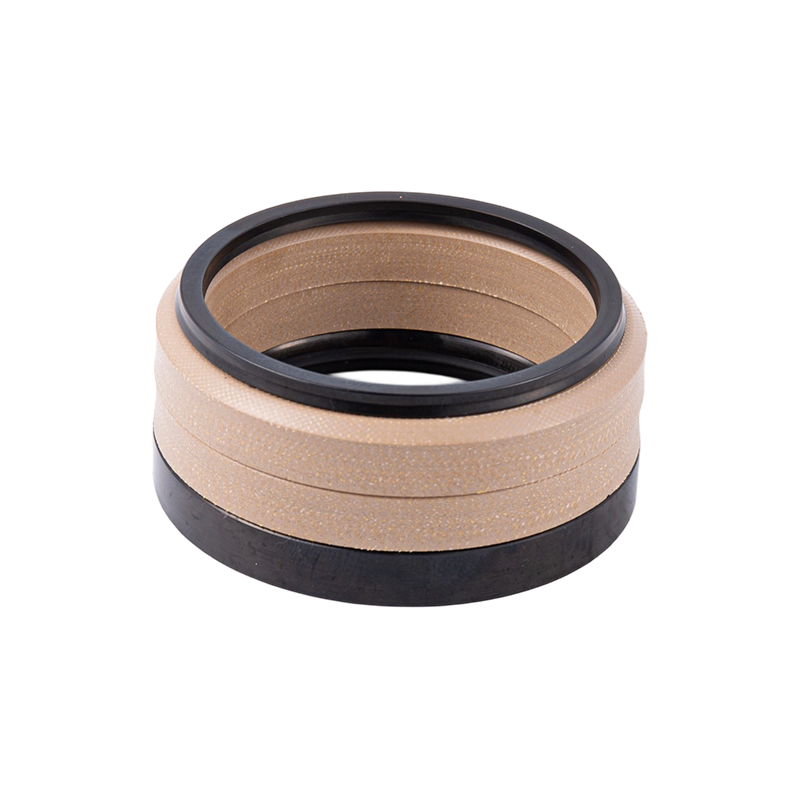
Packing Seals and Plunger Packing. Packing assemblies are the most cold-sensitive component in the fluid end. As noted above, standard elastomers lose significant elasticity below 40°F. Before winter operations, confirm that your packing material specification is rated for your minimum expected ambient temperature. Some operators in extreme-cold environments switch to low-temperature compound packing specifically formulated for sub-zero service. During cold-weather startups, never apply full operating pressure immediately — allow the packing to warm and seat gradually against a slowly reciprocating plunger before ramping to job pressure.
Plungers. Plungers in cold environments face two distinct risks: thermal shock from sudden heat exposure after a cold soak, and increased side loading from stiffened packing that creates asymmetric radial forces. Inspect plunger surfaces more frequently in winter — every 200 operating hours versus a standard 300-hour interval in warm-weather campaigns. Any scoring that would be monitored in warm months should be treated as an immediate replacement trigger in winter, because stiffened packing will convert minor surface defects into leak paths far more quickly under cold conditions.
Cold-Start Protocols: Warming Up Without Damaging Your Fluid End
Proper cold-start procedure is where most winter fluid end damage actually occurs — not from the cold itself, but from the operator who walks up to a pump that has been sitting at 18°F all night and immediately brings it to operating pressure. A disciplined warm-up protocol takes 20 to 30 minutes but prevents failures that can sideline a unit for days.
Begin by manually rotating the crankshaft through at least two full revolutions before engaging the prime mover. This confirms there is no ice binding inside the fluid end and verifies that the plunger moves freely through the packing under cold conditions. If resistance is higher than normal, do not force the rotation — identify the source of binding before proceeding. Forced cold-start against a bound plunger is one of the most common causes of packing damage in winter operations.
If the unit has been exposed to temperatures below 20°F overnight, apply external heat to the fluid end block and suction manifold before starting. Portable propane heaters or electric heat blankets applied to the valve section for 15 to 20 minutes can raise internal temperature enough to ensure that any ice in valve bores or manifold passages has cleared. Reference local site safety codes for approved heat sources in hydrocarbon environments.
During startup, ramp speed gradually. Begin at 30 to 40% of target RPM and hold for at least five minutes, allowing fluid to circulate and warm internal components before increasing load. If your pump spread uses variable frequency drives, program a minimum cold-start ramp rate that limits RPM increase to no more than 10% of target speed per minute in ambient conditions below 32°F. This directly reduces the thermal shock and startup torque spike that can crack cold fluid end blocks. For more detail on managing the relationship between pump speed and mechanical loading, refer to the power end maintenance guide.
Monitor pressure differentials across filters during the first 10 minutes of operation. A rapid rise in differential pressure in cold conditions indicates that fluid viscosity is too high for the current temperature — reduce speed, extend warm-up time, and do not proceed to operating pressure until differentials stabilize.
Winter Shutdown and Storage Checklist for Frac Fluid Ends
How a fluid end is shut down for an overnight cold soak or an extended winter idle period is as important as how it is started. Ice expansion inside a static fluid end is a leading cause of block cracking and valve seat bore damage that appears only when the unit is returned to service in spring.
- Drain all manifolds and valve chambers. Both suction and discharge valve covers should be cracked open after shutdown to allow standing fluid to drain. If the fluid cannot be fully evacuated due to system configuration, circulate the pump at low speed for five to ten minutes to displace water-contaminated fluid from chambers before shutdown.
- Open drain valves and leave them open during idle periods. Closed drain valves trap fluid in passages where it can freeze, expand, and crack the surrounding material. Establishing a policy of leaving both casing and discharge check valve drain ports open during overnight cold-weather shutdowns eliminates the most common pathway for ice-induced block cracking.
- Apply protective covers to exposed elastomers and seals. UV exposure from winter sun, combined with cold-induced brittleness, accelerates degradation of rubber components on units that are idle for extended periods. Cover all exposed packing gland areas and seal housings with weatherproof material during storage.
- Document fluid condition and component status before storage. Record fluid sample results, filter differential pressure readings, and any component observations before the unit goes into idle. This creates a baseline that allows maintenance crews to triage units accurately when the fleet is reactivated — rather than discovering winter-induced degradation during the first job of the new year.
- Exercise standby units weekly. Cold weather accelerates degradation in idle equipment. Pumps that sit without circulation for extended periods develop corrosion on valve faces, stiction in packing assemblies, and fluid stratification in the suction manifold. A 15-minute low-speed circulation run once per week on standby units keeps internal components lubricated and surfaces any developing issues before the unit is needed in the field.
A frac fleet that enters winter with inspected fluid ends, correctly specified fluids, and documented cold-start and shutdown procedures will consistently outperform one that relies on summer-season maintenance and reactive repairs. The investment in pre-season preparation — measured in hours of technician time — is reliably smaller than the cost of a single cracked fluid end block or a pump swap during a winter completion campaign.