EN
EN  English
 عربى
عربى हिंदी
हिंदीDiagnosing Common Fluid End Failures: A Field Engineer's Troubleshooting Guide
Apr 14, 2026
Content
Why Fluid End Failures Demand Immediate Attention
In high-pressure pumping operations — whether hydraulic fracturing, well stimulation, or industrial fluid transfer — the fluid end is where mechanical energy meets raw process fluid. It is also where the most punishing stresses concentrate. A single undiagnosed failure can cascade quickly: a cracked valve seat becomes a pressure bypass, which accelerates plunger wear, which leads to packing failure, which forces an emergency shutdown that costs thousands of dollars per hour in lost rig time.
For field engineers, the challenge is not simply recognizing that something is wrong. It is identifying which component is failing, why it is failing, and what to do about it — fast. This guide walks through the most common fluid end failure modes, the field-level warning signs that precede them, and a structured diagnostic approach that gets you to the root cause without unnecessary parts swapping.
The Most Common Fluid End Failure Types
Fluid end failures rarely happen without warning. Understanding the most prevalent failure categories helps engineers connect early symptoms to the right corrective action.
Valve and Seat Failures
Valves and seats are the highest-wear components in any fluid end. They cycle thousands of times per minute under extreme differential pressure. Common causes of premature failure include abrasive particles in the fluid stream, improper seating geometry, and operating above rated pressure. A worn valve no longer seals completely, allowing fluid to bypass on both the suction and discharge strokes — degrading volumetric efficiency and generating heat.
Packing and Seal Leaks
Packing failures manifest as visible fluid weeping around the plunger or stuffing box. Root causes include incorrect packing material selection for the fluid chemistry, inadequate lubrication, and running the plunger beyond its recommended stroke rate. Even a slow drip represents a loss of system pressure and an accelerating wear loop: leaked fluid contaminates the lubrication zone, which increases friction, which wears the packing faster.
Plunger Wear and Scoring
Plunger surfaces degrade through abrasion, corrosion, or fatigue. Scored plungers accelerate packing wear and ultimately cause complete seal failure. Key contributors include solids-laden fluid bypassing the suction screen, cavitation pitting on the plunger face, and misalignment between the plunger and the packing bore.
Stress Cracking and Fatigue Fractures
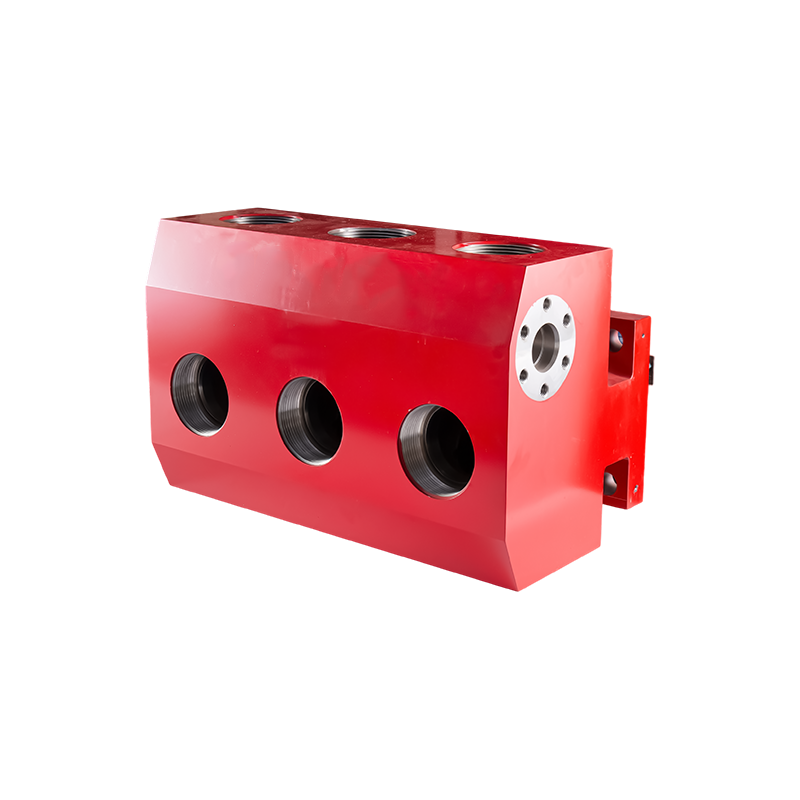
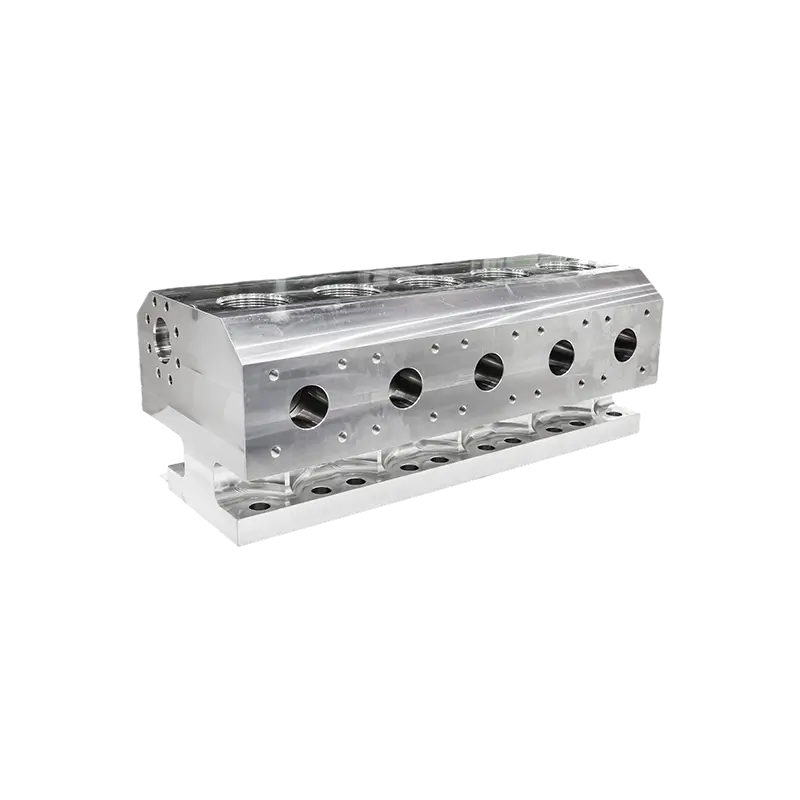
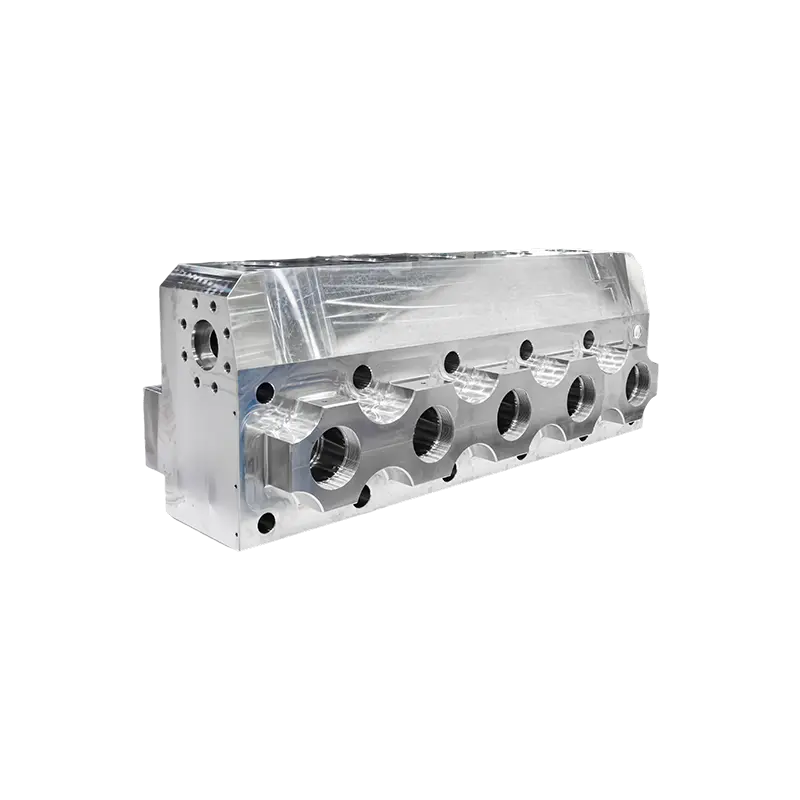
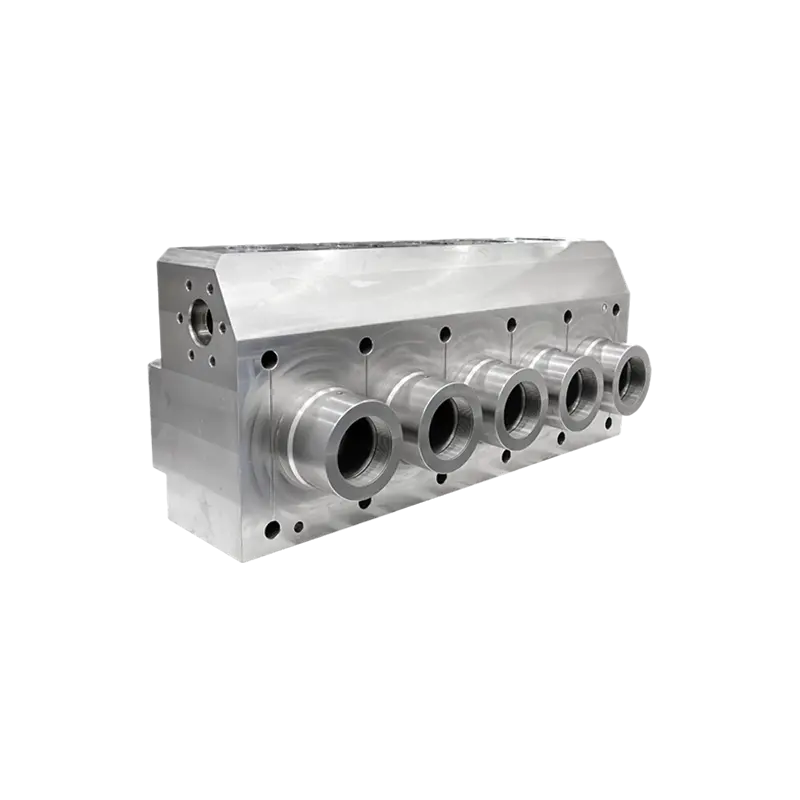
Fluid end bodies — typically forged from high-strength alloy steel — are subject to cyclic pressure loading. Over time, stress concentrations at bore intersections, valve pockets, and discharge passages can initiate fatigue cracks. Operating consistently above the rated working pressure, pressure cycling with high spike amplitudes, and material defects all accelerate crack propagation. Cracks near the discharge passage are particularly dangerous because they can lead to catastrophic body failure.
Cavitation Damage
Cavitation occurs when suction pressure drops low enough for vapor bubbles to form in the fluid. When those bubbles collapse against metal surfaces, they produce localized shock waves that pit and erode valve seats, plunger faces, and fluid end bores. Inadequate suction line sizing, high fluid viscosity, and clogged suction screens are the primary field causes.
Reading the Warning Signs: Field-Level Symptom Recognition
Most fluid end failures announce themselves before they become critical. Knowing which symptoms correspond to which failure modes is the fastest path to an accurate diagnosis.
| Symptom | Likely Failure Area | Urgency |
|---|---|---|
| Erratic or declining discharge pressure | Valve / seat wear or bypass | High — inspect within the shift |
| Visible fluid weeping at stuffing box | Packing / seal failure | High — monitor and schedule replacement |
| Knocking or rattling at fluid end | Loose valve, cavitation, or plunger impact | Critical — stop and inspect immediately |
| Elevated temperature at fluid end housing | Internal bypass, inadequate lubrication | High — check fluid and operating pressure |
| Reduced flow rate at consistent pressure | Valve bypass or plunger wear | Medium — schedule inspection |
| Vibration increase across the pump | Cavitation or valve instability | High — check suction conditions first |
| Metallic particles in fluid sample | Internal wear (plunger, valve, body) | Critical — disassemble and inspect |
One important field principle: never treat pressure fluctuation as a calibration problem before ruling out valve failure. Engineers frequently lose time adjusting instrumentation when the actual cause is a worn check valve that no longer holds differential pressure.
Step-by-Step Diagnostic Process
A structured diagnostic sequence prevents the costly "parts-changing" approach, where components are replaced at random until the problem disappears. Follow these steps in order.
Step 1 — Gather Operational History
Before touching the pump, interview the operator and review the run log. Ask: When did symptoms first appear? Was there a recent fluid change, pressure spike, or suction restriction event? Establishing the timeline often narrows the failure to a single root cause before any physical inspection begins.
Step 2 — External Visual Inspection
Walk the entire fluid end looking for fluid staining, corrosion tracks, cracks in the body, or weeping around valve covers and the stuffing box. Pay close attention to the corners of valve access ports — this is where stress cracking most commonly initiates. Any surface crack, regardless of how small it appears, requires immediate body replacement evaluation.
Step 3 — Suction and Discharge Pressure Testing
Install calibrated gauges at both the suction manifold and the discharge port. Run the pump at its normal operating speed and compare readings against baseline specifications. A suction pressure below the manufacturer's minimum NPSH requirement confirms cavitation risk. A discharge pressure that fluctuates more than ±5% of setpoint at steady state typically indicates valve bypass. Record all readings with timestamps — trend data is more diagnostic than any single data point.
Step 4 — Acoustic and Thermal Scan
Use an infrared thermometer or thermal camera to map temperature distribution across the fluid end housing. Hot spots above 20°F above ambient indicate localized internal bypass or inadequate lubrication. A stethoscope or contact microphone applied to the valve covers can help isolate whether knocking originates at a specific valve versus the plunger interface.
Step 5 — Controlled Disassembly and Component Evaluation
When external diagnostics point to a specific zone, proceed with targeted disassembly — valve cover removal first, then packing inspection, then plunger withdrawal. Evaluate each component against the following criteria:
- Valves and seats: inspect sealing face for pitting, erosion grooves, or asymmetric wear patterns. A seat that rocks or shows a visible gap under hand pressure has failed.
- Packing: look for hardening, extrusion, or chemical degradation. Packing that has extruded into the clearance gap will score the plunger on reinstallation.
- Plunger: measure OD at three axial positions. Taper greater than 0.003 inches or visible scoring requires replacement.
- Fluid end body: perform dye penetrant or magnetic particle inspection on bore intersections and valve pockets if cracking is suspected.
Repair vs. Replace: Making the Right Call
One of the most consequential decisions a field engineer makes is whether to repair a degraded fluid end or replace it outright. Getting this wrong in either direction is costly — unnecessary replacement wastes capital, while over-extending a failing body creates safety exposure.
Use the following framework as your decision guide:
- Replace valves and packing when wear is isolated to consumable components and the body shows no signs of cracking or distortion. This is a routine maintenance action.
- Replace the plunger when OD taper or surface scoring exceeds tolerance. Continuing to run a scored plunger will destroy new packing within hours.
- Replace the fluid end body when any confirmed crack is found, when the bore shows measurable out-of-round wear, or when the body has accumulated hours beyond the manufacturer's rated service life. A cracked fluid end body is never a repair candidate — it is a safety hazard under pressure.
- Full fluid end assembly replacement is the right call when multiple components across the assembly are at or near end of life simultaneously, or when the cost of staged component replacement over the next maintenance window exceeds the cost of a new assembly.
Document every replacement decision with the component condition found at disassembly. This data builds the failure history that enables predictive maintenance intervals specific to your operating conditions.
Preventive Maintenance to Extend Fluid End Life
The most effective troubleshooting is the kind that never needs to happen. A disciplined preventive maintenance program addresses the root causes of fluid end wear before they generate symptoms.
Control Operating Pressure
Sustained operation above the fluid end's rated working pressure is the single largest driver of premature fatigue cracking and valve wear. Establish a hard operational ceiling at 90–95% of rated pressure and treat any exceedance as a reportable event, not a routine occurrence.
Maintain Fluid Quality
Abrasive particles in the fluid stream accelerate every internal wear mechanism. Ensure suction screens are sized and maintained to keep solids content within specification. For drilling applications, verify mud weight and particle size distribution are within the pump's design parameters before each job.
Lubricate Consistently
Plunger lubrication is not optional. An inadequate lubricant film between the plunger and packing generates heat, accelerates packing hardening, and scores the plunger surface. Verify lubricator delivery rates at every pre-job inspection and calibrate against the manufacturer's specification for the current stroke rate.
Establish Inspection Intervals Based on Hours, Not Calendar
Valve and packing service life is a function of pump hours and pressure cycles, not elapsed days. Track pump hours per job and establish component replacement intervals accordingly — typically every 300–500 pump hours for valves in aggressive service, and every 150–250 hours for packing. Adjust these intervals based on actual wear data from your own disassembly records, not generic industry defaults.
Monitor Trends, Not Just Point-in-Time Readings
A single pressure reading tells you the current state. A series of readings over time tells you the rate of degradation. Implement a simple log — even a handwritten one — that captures suction pressure, discharge pressure, stroke rate, and any anomalies at the start and end of each shift. A gradual downward trend in discharge pressure at constant speed is the clearest early indicator of valve wear, often detectable 12–24 hours before the failure becomes operationally significant.